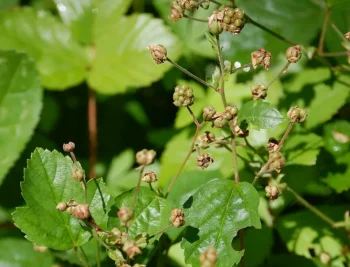
Westminster Dewberry: A Rare Native Treasure Worth Protecting
If you’ve never heard of Westminster dewberry, you’re not alone. This little-known native shrub is one of those quiet gems hiding in plain sight across a few northeastern states. While it might not be the showiest plant in your garden, Rubus pervarius (its botanical name) has a story worth telling – and a conservation status that makes it quite special indeed.
What Exactly Is Westminster Dewberry?
Westminster dewberry is a low-growing perennial shrub that stays refreshingly compact in the landscape. Unlike its more aggressive cousins in the Rubus family, this little guy keeps things manageable, typically staying under 1.5 feet tall and never exceeding 3 feet at maturity. Think of it as the polite relative at the family reunion – present but not pushy.
You might also see this plant listed under its synonym, Rubus davisiorum, in older botanical references. But regardless of what you call it, this native beauty has some important qualities that make it worth considering for the right garden situation.
Where Does Westminster Dewberry Call Home?
This native species has a fairly limited range, naturally occurring in just four states: Maryland, New Jersey, Vermont, and West Virginia. It’s what we might call a regional specialty – not widespread, but perfectly adapted to its particular corner of the northeastern United States.
- Species observed
- No observations
The Rarity Factor: Why This Matters
Here’s where things get interesting (and important). Westminster dewberry isn’t just uncommon – it’s officially rare. In New Jersey, it carries a Highlands Listed, SH.1 rarity status, which basically means it’s a plant that needs our attention and protection.
This rarity status doesn’t mean you absolutely can’t grow it, but it does mean you should think carefully before you do. If you’re considering adding Westminster dewberry to your garden, make sure you’re getting it from a reputable source that propagates plants responsibly rather than collecting from wild populations.
Should You Plant Westminster Dewberry?
The honest answer? Maybe, but with important caveats. This plant could be perfect for you if:
- You’re creating a native plant garden focused on regional species
- You want to support biodiversity by growing rare native plants
- You have space for a low-growing shrub that won’t take over
- You can source plants ethically from nurseries that propagate rather than wild-collect
However, given its rarity, this might not be the best choice for beginning native plant gardeners. There are many other native Rubus species that can provide similar ecological benefits without the conservation concerns.
Growing Conditions and Care
Unfortunately, specific growing information for Westminster dewberry is quite limited due to its rarity and the lack of extensive cultivation experience. Based on its native range and the typical preferences of related dewberry species, it likely prefers:
- Partial shade to full sun conditions
- Well-draining soil
- USDA hardiness zones approximately 4-7 (based on its geographic range)
- Minimal maintenance once established
As with most native plants, Westminster dewberry will probably be happiest when grown in conditions that mimic its natural habitat. Since specific cultivation guidance is scarce, anyone attempting to grow this species should be prepared for some trial and learning.
The Bottom Line
Westminster dewberry represents something special in the native plant world – a reminder that not all natives are common, and that rarity brings responsibility. While it might be tempting to seek out this unusual species for your garden, consider whether supporting more common native alternatives might be a better choice for both your garden and conservation efforts.
If you do decide to grow Westminster dewberry, make sure you’re doing so as part of broader conservation efforts, with plants sourced from ethical propagation programs. Sometimes the best way to appreciate a rare plant is to support the habitats where it grows wild, rather than trying to bring it into our gardens.
After all, there’s something rather wonderful about knowing that somewhere in the woodlands of New Jersey or the hills of Vermont, this quiet little shrub is carrying on just as it has for countless generations – rare, resilient, and worth protecting.