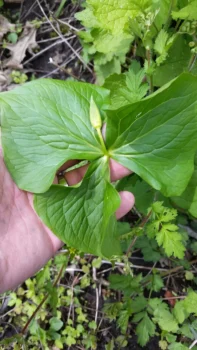
Whip-Poor-Will Flower: A Charming Native Trillium for Shady Gardens
If you’ve ever wandered through a woodland in late spring and spotted a delicate white flower nodding bashfully beneath three distinctive leaves, you’ve likely encountered the whip-poor-will flower (Trillium cernuum). This enchanting native perennial brings both mystery and elegance to shade gardens across much of North America.
What Makes Whip-Poor-Will Flower Special?
The whip-poor-will flower is a true woodland gem that earns its keep through subtle beauty rather than flashy displays. Unlike its showier trillium cousins, this species produces flowers that hang downward on curved stems, often hiding beneath the plant’s three-leaf canopy. The pure white blooms gradually blush to pink or rose as they age, creating a lovely color progression throughout the blooming period.
As a native forb, this perennial lacks woody tissue but returns reliably year after year from underground rhizomes. It typically reaches 6 to 16 inches in height with a spread of 12 to 18 inches, making it perfect for intimate woodland settings.
Where Does It Grow Naturally?
This native beauty has an impressive natural range spanning much of eastern North America. You’ll find wild populations throughout Canada in provinces including Manitoba, New Brunswick, Nova Scotia, Ontario, Prince Edward Island, Quebec, Saskatchewan, and Newfoundland. In the United States, it grows naturally from Maine down to Virginia and west to states like Minnesota, North Dakota, and South Dakota.
- Species observed
- No observations
Why Plant Whip-Poor-Will Flower in Your Garden?
There are several compelling reasons to include this native trillium in your landscape:
- Native plant benefits: Supporting local ecosystems and wildlife
- Low maintenance: Once established, requires minimal care
- Naturalizing ability: Slowly spreads to create charming colonies
- Unique character: The nodding flowers add whimsical appeal
- Pollinator support: Attracts small flies and beetles
- Wetland tolerance: Adapts to various moisture conditions
Perfect Garden Settings
Whip-poor-will flower shines in woodland gardens, shade gardens, and native plant landscapes. It’s particularly stunning when allowed to naturalize under deciduous trees or along woodland edges. The plant works beautifully in:
- Woodland understory plantings
- Shade perennial borders
- Native plant gardens
- Rain gardens (given its facultative wetland status)
- Naturalized areas
Growing Conditions and Care
Success with whip-poor-will flower comes from mimicking its natural woodland habitat. Here’s what this charming native needs:
Ideal Growing Conditions
- Light: Partial to full shade
- Soil: Moist, well-draining, humus-rich soil
- pH: Slightly acidic to neutral
- Moisture: Consistent moisture without waterlogging
- Hardiness: USDA zones 3-8
Planting and Care Tips
When to plant: Fall is the best time to plant dormant rhizomes, though container plants can be planted in spring.
Planting depth: Plant rhizomes about 2-3 inches deep in well-amended soil.
Spacing: Allow 12-18 inches between plants for proper air circulation.
Watering: Maintain consistent moisture, especially during the growing season. The plant’s facultative wetland status means it can handle periodic wet conditions.
Fertilizing: A light application of compost or leaf mold in early spring provides adequate nutrition.
Patience required: Like most trilliums, whip-poor-will flower is slow-growing and may take several years to become fully established.
Wildlife and Pollinator Benefits
While whip-poor-will flower may seem modest, it plays an important role in supporting native wildlife. The flowers attract small flies and beetles that serve as pollinators, while the plant provides habitat and food sources for various woodland creatures. Its native status means it has co-evolved with local wildlife, making it a valuable addition to any ecosystem-focused garden.
Is Whip-Poor-Will Flower Right for Your Garden?
If you have a shady spot that needs a touch of woodland charm, and you appreciate plants that reward close observation rather than demand attention from across the yard, whip-poor-will flower could be perfect for you. Its ability to thrive in various moisture conditions, from average garden soil to occasionally wet areas, makes it quite versatile.
Keep in mind that this is a plant for patient gardeners who enjoy the slow process of establishing a naturalized woodland setting. While it won’t provide instant gratification, the long-term rewards of watching a colony slowly develop make the wait worthwhile.
Whether you’re creating a native plant sanctuary or simply want to add authentic woodland character to a shady corner, whip-poor-will flower offers understated beauty that connects your garden to the rich natural heritage of eastern North American forests.