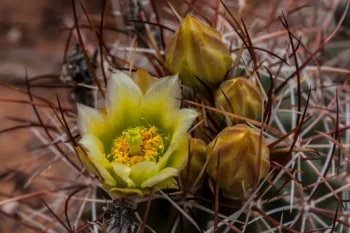
Whipple’s Fishhook Cactus: A Rare Desert Gem Worth Growing Responsibly
If you’re looking to add a touch of authentic Southwestern charm to your desert garden, Whipple’s fishhook cactus (Sclerocactus whipplei) might just be the perfect candidate. This distinctive little barrel cactus is a true native treasure, but before you start planning where to plant it, there’s something important you need to know about its conservation status.
A Native Beauty with Conservation Concerns
Whipple’s fishhook cactus is a native perennial species that calls the desert regions of Arizona and Utah home. While it’s perfectly legal to grow and adds authentic regional character to gardens, this cactus carries a Global Conservation Status of S2S3, meaning it’s considered rare to uncommon in the wild. This makes responsible sourcing absolutely crucial if you’re considering adding one to your collection.
The species naturally occurs across select desert areas in Arizona and Utah, where it has adapted to thrive in some of the harshest conditions North America has to offer.
- Species observed
- No observations
What Makes This Cactus Special?
Don’t let its small stature fool you – Whipple’s fishhook cactus packs a visual punch. This compact barrel cactus is named for its distinctive hooked spines that curve like tiny fishhooks, creating an intricate and eye-catching pattern across its rounded body. Come spring, the real show begins when the plant produces stunning pink to magenta flowers that seem almost too vibrant for the desert landscape.
The cactus typically stays small and manageable, making it perfect for gardeners who want desert authenticity without the space requirements of larger cacti species.
Perfect for Desert and Xeriscape Gardens
This native cactus shines brightest in:
- Desert-themed landscapes and xeriscaping projects
- Rock gardens with excellent drainage
- Cactus and succulent collections
- Native plant gardens focusing on Southwestern species
- Container gardening for those in cooler climates
As a specimen plant, it serves as an excellent conversation starter and educational tool about native desert ecosystems. Its compact size makes it ideal for smaller spaces where you want maximum impact without overwhelming the area.
Growing Conditions and Care
Whipple’s fishhook cactus is surprisingly straightforward to grow if you can replicate its native desert conditions. Here’s what this little survivor needs to thrive:
Sunlight: Full sun is essential. This cactus has evolved to handle intense desert sunshine and won’t perform well in shade.
Soil: The key to success lies in drainage, drainage, drainage! Use a sandy, rocky, or gravelly soil mix that drains immediately after watering. Heavy or clay soils will quickly lead to root rot.
Water: Less is definitely more. Water sparingly during the growing season and reduce to almost nothing during winter dormancy. When in doubt, wait longer between waterings.
Climate: Hardy in USDA zones 7-10, this cactus can handle both scorching summers and surprisingly cold winters, as long as the soil stays dry.
Planting and Care Tips
- Plant in spring after the last frost when the cactus can establish roots before winter
- Amend heavy soils with coarse sand, pumice, or gravel to improve drainage
- Consider raised beds or containers if your soil doesn’t drain well naturally
- Protect from excessive winter moisture, which is more dangerous than cold temperatures
- Allow soil to dry completely between waterings during the growing season
- Avoid fertilizing – these cacti are adapted to nutrient-poor soils
Supporting Pollinators and Wildlife
While small, Whipple’s fishhook cactus pulls its weight in supporting local ecosystems. The bright spring flowers attract native bees and other desert pollinators, while the plant itself can provide shelter for small desert creatures. By growing native cacti like this one, you’re creating habitat that supports the intricate web of desert life.
The Responsible Growing Imperative
Here’s the crucial part: due to its rare status in the wild, you must source Whipple’s fishhook cactus responsibly. This means:
- Purchase only from reputable nurseries that propagate their own plants
- Never collect from the wild – it’s often illegal and always harmful to wild populations
- Look for nursery-propagated plants with clear documentation of their origin
- Consider supporting nurseries that contribute to conservation efforts
Is This Cactus Right for Your Garden?
Whipple’s fishhook cactus is perfect for gardeners who love the authentic beauty of desert plants and want to support native species conservation. It’s ideal if you have excellent drainage, plenty of sun, and can resist the urge to overwater. However, it’s not the best choice if you prefer lush, tropical-looking gardens or live in areas with high humidity and poor drainage.
By choosing to grow this rare native cactus responsibly, you’re not just adding beauty to your landscape – you’re becoming a steward of an important piece of America’s natural heritage. Just remember: with rare plants comes great responsibility, so always choose conservation-minded sources for this desert treasure.