Whiskerbush (Bunched Cory Cactus): A Rare Texas Native Worth Protecting
If you’re passionate about native plants and have a soft spot for unique cacti, you might be intrigued by whiskerbush, scientifically known as Coryphantha ramillosa. This little-known cactus is a true Texas treasure, but before you start planning where to plant one, there’s something important you need to know about its conservation status.
What Makes Whiskerbush Special?
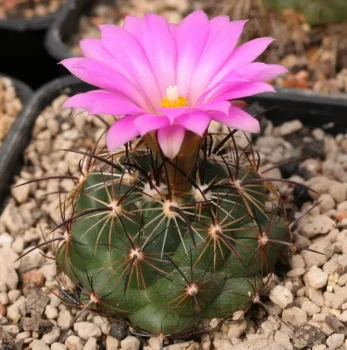
Whiskerbush, also called bunched cory cactus, is a small but mighty perennial cactus that’s as tough as the Texas landscape it calls home. This isn’t your typical prickly pear – it’s a globular to cylindrical cactus that forms distinctive clumps over time, creating an eye-catching display in the right setting.
Don’t let its small stature fool you. This native Texan packs plenty of personality with its prominent tubercles (those are the bumpy projections that give cacti their characteristic texture) and an array of spines that create interesting shadows and visual texture in the garden.
Where Does Whiskerbush Call Home?
Coryphantha ramillosa is endemic to Texas, meaning you won’t find it growing wild anywhere else in the world. Its native range is quite limited, which brings us to an important conservation consideration we’ll discuss shortly.
- Species observed
- No observations
Important Conservation Alert
Here’s where things get serious: whiskerbush has a conservation status of Threatened, with a Global Conservation Status of S2S3. This means it’s genuinely rare and faces real challenges in its natural habitat. If you’re considering adding this plant to your garden, you absolutely must source it from reputable nurseries that propagate from legally obtained, responsibly collected material – never from wild-collected specimens.
Think of it this way: by growing responsibly sourced whiskerbush, you’re actually helping preserve this species for future generations while enjoying a truly unique native plant.
Why Grow Whiskerbush?
Despite its rarity (or perhaps because of it), there are compelling reasons to consider whiskerbush for the right garden:
- True Texas native: You’re supporting local biodiversity
- Ultra-low maintenance: Perfect for busy gardeners or water-conscious landscapes
- Unique aesthetic: Adds textural interest and conversation-starting appeal
- Pollinator support: Its flowers attract native bees and other desert pollinators
- Conservation contribution: Responsibly grown plants help preserve the species
Growing Conditions and Care
Whiskerbush thrives in USDA hardiness zones 9-11, making it suitable primarily for southern Texas and similar climates. This desert dweller has very specific needs:
Light: Full sun is non-negotiable. This cactus needs intense, direct sunlight to thrive.
Soil: Excellent drainage is absolutely critical. Think sandy, rocky, or specially amended cactus soil. If water sits around the roots, you’ll lose your plant quickly.
Water: Less is definitely more. Water deeply but infrequently during the growing season, and barely at all during winter.
Temperature: While heat-tolerant, it needs protection from hard freezes.
Perfect Garden Settings
Whiskerbush isn’t for every garden, but it’s perfect for these situations:
- Xeriscape and drought-tolerant landscapes
- Rock gardens with excellent drainage
- Desert-themed garden areas
- Container gardens (with proper drainage)
- Specialized native plant collections
Planting and Care Tips
Successfully growing whiskerbush is all about respecting its desert origins:
- Plant in spring after the last frost
- Amend heavy soils with sand, perlite, or pumice
- Consider raised beds or mounded plantings for extra drainage
- Water sparingly – when in doubt, don’t water
- Protect from freeze with covers or move containers indoors
- Avoid fertilizing; these plants prefer lean conditions
The Bottom Line
Whiskerbush represents both an opportunity and a responsibility. If you have the right growing conditions and can source plants responsibly, you’ll be rewarded with a genuinely unique native that supports local ecosystems while requiring minimal care. However, its threatened status means this isn’t a plant for casual collecting – it’s for gardeners who truly appreciate native species conservation.
Before purchasing, always verify that your supplier propagates from legally obtained stock and supports conservation efforts. By choosing responsibly sourced whiskerbush, you’re not just adding an interesting plant to your garden – you’re participating in preserving a piece of Texas’s natural heritage.