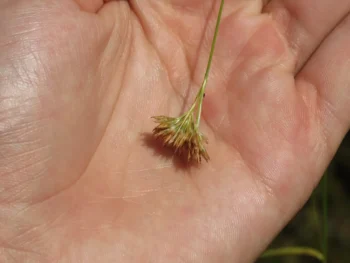
White Beaksedge: A Native Wetland Gem for Your Water Garden
If you’ve been searching for the perfect native plant to complete your rain garden or pond landscape, let me introduce you to white beaksedge (Rhynchospora alba). This unassuming but charming perennial might just be the missing piece in your wetland puzzle. While it may not have the flashy blooms of a cardinal flower, this grass-like beauty brings its own subtle elegance to soggy spots where many other plants fear to tread.
What Exactly Is White Beaksedge?
White beaksedge is a perennial graminoid – that’s botanist-speak for a grass-like plant that includes sedges, rushes, and true grasses. Don’t let the grass-like description fool you into thinking it’s boring! This little charmer produces delicate clusters of small white flowers in summer that dance above narrow, arching foliage. The overall effect is graceful and naturalistic, perfect for gardeners who appreciate understated beauty.
As a member of the sedge family (Cyperaceae), white beaksedge forms neat clumps that add wonderful texture and movement to wet areas. The flowers eventually give way to seeds that provide food for birds and other wildlife, making this plant a true garden multitasker.
A True North American Native
Here’s where white beaksedge really shines – it’s native across an impressively wide range of North America. This hardy perennial calls home everywhere from the chilly reaches of Alaska and northern Canada down through the continental United States and even into Puerto Rico. You’ll find native populations thriving in states and provinces including Alberta, British Columbia, California, Maine, Florida, Texas, and dozens of others in between.
- Species observed
- No observations
However, there’s an important caveat for Alabama gardeners: white beaksedge has a rarity status of S1 in the state, meaning it’s critically imperiled. If you’re in Alabama and want to grow this beauty, make absolutely sure you source your plants responsibly from reputable native plant nurseries rather than collecting from wild populations.
Why Your Wetland Garden Needs White Beaksedge
White beaksedge is what we call an obligate wetland plant across all regions where it grows. Translation? This plant is basically a wetland specialist that almost always occurs in soggy conditions. Here’s why that makes it perfect for certain garden situations:
- Thrives in consistently wet soils where many other plants struggle or die
- Excellent for rain gardens, helping manage stormwater runoff
- Perfect for pond margins and bog gardens
- Provides habitat and food for native wildlife
- Adds natural texture to wetland restoration projects
- Requires minimal maintenance once established
Growing White Beaksedge Successfully
The secret to growing white beaksedge successfully is simple: think wet, wet, wet! This plant has adapted to thrive in conditions that would send most garden plants to an early grave.
Growing Conditions:
- Soil: Consistently moist to wet, boggy conditions preferred
- Sun: Full sun to partial shade (adapts well to both)
- pH: Acidic to neutral soils
- Hardiness: Extremely cold hardy, zones 2-9
Planting Tips:
- Plant in spring when soil is workable
- Choose the wettest spot in your garden
- Space plants 12-18 inches apart for natural colonization
- Water regularly until established (which won’t take long in wet conditions)
Garden Design Ideas
White beaksedge works beautifully in several garden styles:
- Rain Gardens: Plant alongside other native wetland species like blue flag iris and swamp milkweed
- Pond Landscapes: Use as a naturalizing groundcover around pond edges
- Wildlife Gardens: Combine with native rushes and other sedges for habitat diversity
- Naturalized Areas: Perfect for low-maintenance wetland restoration projects
Care and Maintenance
Here’s the best part about white beaksedge – once it’s happy, it pretty much takes care of itself! Keep the soil consistently moist (easy in wetland conditions), and you’re golden. The plant may self-seed in ideal conditions, gradually naturalizing your wetland area. You can divide clumps every few years if you want to spread them around your garden.
In colder climates, the foliage will die back in winter and return fresh in spring. No need to cut it back – the dried stems provide winter interest and habitat for beneficial insects.
Wildlife Benefits
White beaksedge might look modest, but it’s a wildlife powerhouse. The small flowers attract native bees, flies, and other pollinators, while the seeds provide food for birds and small mammals. The clumping growth habit also offers shelter for amphibians and beneficial insects.
Should You Plant White Beaksedge?
If you have wet areas in your landscape and appreciate native plants, white beaksedge is definitely worth considering. It’s particularly valuable if you’re working on wetland restoration, creating rain gardens, or simply want to support local wildlife. Just remember to source plants responsibly, especially if you’re in Alabama where the species is rare.
This isn’t a plant for formal flower beds or dry sunny borders, but for the right wetland situation, white beaksedge brings natural beauty, ecological benefits, and virtually maintenance-free gardening. Sometimes the most unassuming plants turn out to be the most rewarding!