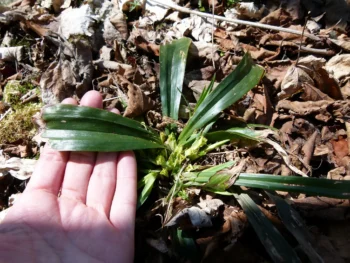
White Bear Sedge: A Charming Native Groundcover for Shady Spots
If you’re looking for a low-maintenance, native groundcover that thrives in those tricky shady spots, let me introduce you to white bear sedge (Carex albursina). This delightful little sedge might not have the flashiest name, but it’s a real gem for gardeners who appreciate understated elegance and ecological value.
What Exactly Is White Bear Sedge?
White bear sedge is a perennial grass-like plant that belongs to the sedge family (Cyperaceae). Don’t let the grass-like description fool you into thinking it’s just another boring lawn substitute – sedges have their own unique charm and ecological niche. This particular species forms lovely clumps of arching, bright green foliage that adds texture and movement to shaded garden areas.
You might occasionally see it listed under its synonym Carex laxiflora var. latifolia, but Carex albursina is the accepted botanical name. The common name white bear sedge has an interesting ring to it, though the origin of this moniker remains a bit of a botanical mystery.
Where Does White Bear Sedge Call Home?
This native beauty has quite an impressive range across eastern North America. You’ll find white bear sedge naturally growing from southeastern Canada down through much of the eastern United States. Its range includes Alabama, Arkansas, Connecticut, Georgia, Illinois, Indiana, Iowa, Kentucky, Maryland, Massachusetts, Michigan, Minnesota, Missouri, Nebraska, New Hampshire, New Jersey, New York, North Carolina, Ohio, Oklahoma, Pennsylvania, Tennessee, Vermont, Virginia, West Virginia, and Wisconsin, plus Ontario and Quebec in Canada.
- Species observed
- No observations
A Word About Conservation
Before we dive into growing tips, here’s something important to know: in New Jersey, white bear sedge has a rarity status of S3, meaning it’s considered vulnerable in that state. If you live in New Jersey or other areas where it might be uncommon, please source your plants responsibly from reputable native plant nurseries rather than collecting from wild populations.
Why Choose White Bear Sedge for Your Garden?
There are several compelling reasons to consider adding this native sedge to your landscape:
- Shade tolerance: Thrives in partial to full shade where many other plants struggle
- Low maintenance: Once established, it requires minimal care
- Native plant benefits: Supports local ecosystems and wildlife
- Attractive foliage: Forms neat clumps with graceful, arching leaves
- Groundcover potential: Gradually spreads to form naturalized colonies
- Seasonal interest: Produces subtle brownish flower spikes in spring
Perfect Garden Settings
White bear sedge absolutely shines in woodland gardens and naturalized shade areas. It’s particularly well-suited for:
- Woodland gardens and forest edges
- Shade gardens under trees
- Rain gardens and moisture-retentive areas
- Naturalized landscapes
- Native plant gardens
- Areas where you want a soft, textural groundcover
Growing Conditions and Care
One of the best things about white bear sedge is how adaptable and easygoing it is. Here’s what it needs to thrive:
Light: Partial to full shade (though it can tolerate some morning sun)
Soil: Moist to moderately moist, well-draining soil. It’s quite tolerant of different soil types but prefers organically rich conditions.
Hardiness: Suitable for USDA zones 3-8, making it quite cold-hardy
Water: Prefers consistent moisture but isn’t overly fussy once established
Planting and Maintenance Tips
Getting white bear sedge established in your garden is refreshingly straightforward:
- Planting time: Spring or early fall work best
- Spacing: Plant individual clumps 12-18 inches apart for groundcover effect
- Soil prep: Amend with compost or leaf mold for best results
- Watering: Keep consistently moist the first growing season
- Fertilizing: Generally unnecessary – it’s adapted to natural soil conditions
- Division: Divide clumps every 3-4 years in spring if desired
- Cleanup: Cut back old foliage in late winter/early spring
Wildlife and Ecological Benefits
While white bear sedge is wind-pollinated rather than a major pollinator magnet, it still plays valuable ecological roles. Native sedges like this one support various insects throughout their life cycles, and the seeds may be eaten by birds. The dense clumps also provide shelter for small wildlife.
The Bottom Line
White bear sedge is one of those reliable, no-fuss native plants that deserves more recognition. If you have shady areas that need some gentle groundcover action, or if you’re creating a woodland garden that celebrates local flora, this sedge could be exactly what you’re looking for. Just remember to source it responsibly, especially if you’re in areas where it’s considered rare, and enjoy watching it gradually create beautiful naturalized colonies in your landscape.