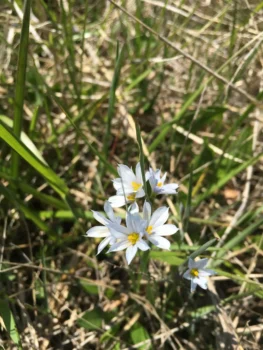
White Blue-Eyed Grass: A Delicate Native Charmer for Your Garden
Don’t let the name fool you – white blue-eyed grass isn’t actually a grass at all! This petite perennial forb, scientifically known as Sisyrinchium albidum, is a member of the iris family that brings subtle elegance to native plant gardens across much of North America.
What Makes White Blue-Eyed Grass Special?
White blue-eyed grass is a true native treasure, naturally occurring throughout Canada and the lower 48 states. You’ll find this charming plant growing wild from Ontario down to Florida and from Maine west to Texas, thriving in a remarkably wide range of states including Alabama, Arkansas, Connecticut, Georgia, Illinois, Indiana, Kentucky, Louisiana, Michigan, Mississippi, Missouri, North Carolina, Ohio, Pennsylvania, South Carolina, Tennessee, Virginia, and Wisconsin.
- Species observed
- No observations
Despite its grass-like appearance, this delicate forb produces small, star-shaped white flowers that seem to dance above slender, blade-like leaves. Each bloom features six pristine white petals that create a striking contrast against the plant’s green foliage during its flowering season from late spring to early summer.
Why Grow White Blue-Eyed Grass?
There are several compelling reasons to consider adding this native beauty to your landscape:
- Low maintenance appeal: As a hardy perennial, it returns year after year with minimal fuss
- Pollinator support: Small bees, flies, and other beneficial insects appreciate its modest but important nectar sources
- Versatile placement: Works beautifully in wildflower gardens, prairie restorations, woodland edges, and even rain gardens
- Natural charm: Adds delicate texture and seasonal interest without overwhelming other plants
- Wildlife habitat: Provides food and shelter for various small creatures
Important note: This species has a global conservation status that’s currently undefined, which may indicate some rarity concerns. If you choose to grow white blue-eyed grass, please source your plants or seeds from reputable native plant nurseries that practice responsible propagation methods.
Growing Conditions and Care
White blue-eyed grass is wonderfully adaptable, which explains its wide natural distribution. Here’s what this easy-going native prefers:
Light Requirements
This flexible plant thrives in full sun to partial shade, making it suitable for various garden locations from open meadows to woodland edges.
Soil and Water Needs
One of the plant’s best features is its adaptability to different moisture conditions. Its wetland status varies by region – it can handle both wetland and non-wetland conditions in coastal and eastern areas, while typically preferring drier upland sites in the Midwest and northern regions. This means it’s equally at home in rain gardens and drier prairie settings.
Hardiness Zones
White blue-eyed grass is cold-hardy and suitable for USDA zones 3 through 9, making it accessible to gardeners across most of the continental United States.
Planting and Care Tips
- Timing: Plant in spring or fall when temperatures are moderate
- Spacing: Allow 6-12 inches between plants as they’ll naturally spread and self-seed
- Watering: Water regularly during establishment, then reduce frequency as the plant becomes drought-tolerant
- Maintenance: Minimal care needed – simply divide overcrowded clumps every 3-4 years
- Self-seeding: Allow some flowers to go to seed for natural propagation
Design Ideas and Companions
White blue-eyed grass works beautifully as:
- A delicate edging plant along paths or borders
- Ground cover in naturalized areas
- Part of prairie or meadow plantings
- An understory component in open woodland gardens
Pair it with other native wildflowers like wild bergamot, black-eyed Susan, or native sedges for a authentic regional plant community that supports local wildlife.
The Bottom Line
White blue-eyed grass offers gardeners a chance to grow a truly native plant that’s both beautiful and beneficial. While it may not be the showiest plant in your garden, its quiet charm and ecological value make it a worthwhile addition to any native plant enthusiast’s collection. Just remember to source it responsibly and enjoy watching this gentle native settle into your landscape, bringing a touch of wild authenticity right to your backyard.