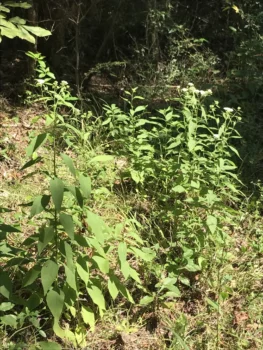
White Crownbeard: A Towering Native Beauty for Late-Season Gardens
Looking for a native plant that makes a statement in your garden when most others are winding down for the season? Meet white crownbeard (Verbesina virginica), a tall and stately perennial that brings fresh blooms and buzzing activity to your landscape just when you need it most.
What is White Crownbeard?
White crownbeard is a native American forb – that’s garden-speak for a non-woody flowering plant – that can grow as either a biennial or perennial depending on conditions. This impressive plant lacks the thick, woody stems of shrubs and trees, but don’t let that fool you into thinking it’s delicate. White crownbeard is a robust grower that can tower anywhere from 3 to 9 feet tall, making it a real showstopper in the garden.
Where Does White Crownbeard Call Home?
This native beauty has quite an impressive range across the lower 48 states. You’ll find white crownbeard naturally growing from the Atlantic coast all the way to the Great Plains, thriving in states including Alabama, Arkansas, Florida, Georgia, Illinois, Indiana, Iowa, Kansas, Kentucky, Louisiana, Maryland, Mississippi, Missouri, North Carolina, Ohio, Oklahoma, Pennsylvania, South Carolina, Tennessee, Texas, Virginia, and West Virginia, plus the District of Columbia.
- Species observed
- No observations
Why Gardeners Love White Crownbeard
There are plenty of reasons to fall for this native charmer:
- Late-season blooms: When most flowers are calling it quits, white crownbeard is just getting started with its daisy-like white flowers that bloom from late summer into fall
- Pollinator magnet: Butterflies, bees, and other beneficial insects flock to its abundant nectar-rich blooms
- Low maintenance: Once established, this tough native can handle drought and various soil conditions
- Architectural interest: Its distinctive winged stems add unique texture even when not in bloom
- Native credentials: Supporting local ecosystems while reducing maintenance needs
Perfect Garden Spots for White Crownbeard
White crownbeard shines in several garden settings:
- Back borders where its height won’t overshadow shorter plants
- Prairie and meadow gardens for a naturalized look
- Pollinator gardens as a crucial late-season nectar source
- Native plant landscapes
- Cottage gardens for a wild, informal feel
Growing Conditions and Care
The beauty of native plants like white crownbeard is their adaptability. This plant typically prefers upland areas rather than wet soils – it’s classified as facultative upland in most regions, meaning it usually grows in non-wetland areas but can occasionally tolerate wetter spots.
Here’s what white crownbeard needs to thrive:
- Sunlight: Full sun to partial shade (6+ hours of direct sunlight preferred)
- Soil: Adaptable to various soil types, including clay; well-draining soil is ideal
- Water: Drought tolerant once established, but appreciates regular water during establishment
- Climate: Hardy in USDA zones 4-8
Planting and Care Tips
White crownbeard is refreshingly easy to grow, but here are some tips for success:
- Spacing: Give plants plenty of room – they can spread 2-4 feet wide
- Staking: In rich, fertile soils, tall stems may need support to prevent flopping
- Deadheading: Remove spent flowers if you want to prevent self-seeding, or leave them for wildlife and natural propagation
- Fall cleanup: Consider leaving stems standing through winter for seed-eating birds, then cut back in early spring
A Word About Self-Seeding
White crownbeard has a talent for making more of itself through self-seeding. In the right conditions, you might find baby plants popping up around the mother plant. This can be a blessing or a curse depending on your garden goals. If you want to encourage naturalization, let it be. If you prefer more control, simply deadhead spent blooms or transplant seedlings to new locations.
The Bottom Line
White crownbeard is an excellent choice for gardeners who want to support native wildlife while enjoying a spectacular late-season display. Its towering height, abundant white blooms, and easy-care nature make it a valuable addition to naturalized gardens and formal landscapes alike. Just give it some space to show off, and this native beauty will reward you with years of late-summer and fall interest that both you and local pollinators will appreciate.