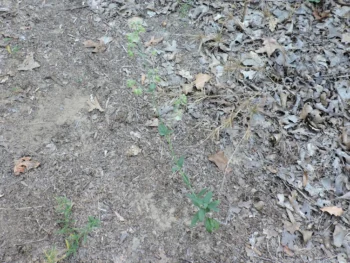
White Four O’Clock: A Charming Native Wildflower for Evening Gardens
If you’re looking for a native wildflower that puts on its best show when most other plants are calling it a day, meet the white four o’clock (Mirabilis albida). This delightful perennial herb earns its common name from its habit of opening its petite white flowers in the late afternoon—just in time for the evening garden stroll.
A True North American Native
White four o’clock is a genuine native across much of North America, naturally occurring from southern Canada down through the central and western United States. You’ll find this adaptable wildflower growing wild in an impressive range of locations, from Alberta and British Columbia in the north, all the way south to Texas and Georgia, and from California in the west to Pennsylvania in the east.
- Species observed
- No observations
Important Note for Alabama Gardeners: White four o’clock has a rarity status of S2 in Alabama, meaning it’s considered imperiled in the state. If you’re gardening in Alabama and want to grow this species, please source your plants or seeds from reputable native plant nurseries that use responsibly collected material—never collect from wild populations.
What Makes White Four O’Clock Special
This perennial forb herb grows as a low-spreading plant with heart-shaped leaves and delicate clusters of small white flowers. The real magic happens in the evening when those flowers open to reveal their simple but charming blooms. It’s like having a plant that throws its own little party every afternoon!
The plant spreads through underground stems and can also self-seed, making it excellent for naturalizing in appropriate garden settings. Don’t expect a towering specimen—this is more of a groundcover-style plant that weaves through other native species in a garden.
Perfect Spots for White Four O’Clock
White four o’clock shines in:
- Native plant gardens
- Prairie restorations and wildflower meadows
- Xeriscapes and drought-tolerant landscapes
- Informal cottage-style gardens
- Areas where you want low-maintenance groundcover
This isn’t typically the plant for formal flower borders or manicured landscapes. Instead, think of it as the perfect addition to spaces where you want that wild but intentional look.
Growing White Four O’Clock Successfully
One of the best things about white four o’clock is how easy-going it is once established. Hardy in USDA zones 3-9, this plant can handle quite a range of growing conditions.
Light Requirements: Prefers full sun but tolerates partial shade reasonably well.
Soil Needs: Adaptable to various soil types, including clay and sandy soils. The key is good drainage—this plant doesn’t appreciate soggy feet.
Water Requirements: Drought tolerant once established, making it an excellent choice for water-wise gardening. During establishment, provide regular water, then back off.
Maintenance: Minimal! This is truly a plant it and forget it kind of native. You may want to manage its spread if it gets too enthusiastic, and you can let it self-seed or collect seeds for expanding your plantings.
Wildlife and Pollinator Benefits
White four o’clock’s evening-blooming habit makes it particularly valuable for night-flying pollinators, especially moths. These nocturnal visitors often get overlooked in garden planning, but they’re important pollinators that deserve our support. By including evening bloomers like white four o’clock, you’re creating habitat for a whole different shift of pollinators.
Is White Four O’Clock Right for Your Garden?
Choose white four o’clock if you:
- Want to support native plant biodiversity
- Love the idea of evening-blooming flowers
- Need drought-tolerant groundcover for naturalized areas
- Enjoy low-maintenance plants that can handle neglect
- Want to provide habitat for nocturnal pollinators
Skip this plant if you’re looking for showy, all-day color or need something for formal garden settings. White four o’clock is subtle and works best in more relaxed, naturalistic plantings.
With its charming evening flowers and rock-solid reliability, white four o’clock proves that sometimes the best garden performers are the ones that don’t demand center stage. Give this native wildflower a try, and enjoy the magic of flowers that greet you at the end of each day.