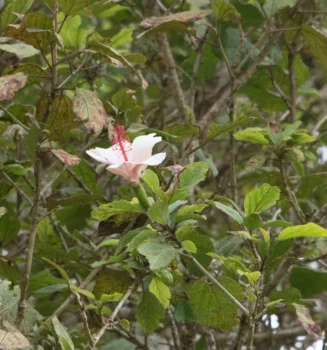
White Kauai Rosemallow: A Rare Hawaiian Treasure for Your Garden
Meet the white Kauai rosemallow (Hibiscus waimeae), one of Hawaii’s most precious and endangered native hibiscus species. This stunning perennial shrub represents the epitome of island beauty, but it comes with a conservation story that every gardener should know before adding it to their landscape.
What Makes White Kauai Rosemallow Special?
The white Kauai rosemallow is a true Hawaiian endemic, meaning it exists nowhere else on Earth except the island of Kauai. This multi-stemmed woody shrub typically reaches 13 to 16 feet in height, creating an impressive presence in any garden setting. What sets this hibiscus apart from its more common cousins are its pristine white flowers that bloom with the classic hibiscus form – large, showy petals surrounding a prominent central column of stamens.
Where Does It Come From?
This remarkable plant calls only one place home: the beautiful island of Kauai in Hawaii. Originally found in the island’s dry to mesic forests and shrublands, the white Kauai rosemallow has adapted to Hawaii’s unique climate and growing conditions over thousands of years.
- Species observed
- No observations
The Conservation Reality: Why This Plant Needs Our Help
Important Conservation Alert: The white Kauai rosemallow carries a Global Conservation Status of S2, meaning it’s imperiled due to extreme rarity. With typically only 6 to 20 occurrences remaining and fewer than 1,000 to 3,000 individual plants left in the wild, this species is teetering on the edge of extinction.
If you’re considering adding this plant to your garden, you absolutely must source it responsibly. Only purchase from reputable nurseries that propagate from ethically collected seeds or cuttings, never from wild-harvested plants. Better yet, consider supporting conservation efforts by purchasing from organizations working to preserve Hawaiian native species.
Is White Kauai Rosemallow Right for Your Garden?
This plant is perfect for gardeners who:
- Live in USDA hardiness zones 10-11 (tropical and subtropical regions)
- Want to support native Hawaiian plant conservation
- Appreciate rare and unique specimen plants
- Are creating authentic Hawaiian native gardens
- Have experience with hibiscus care and maintenance
However, it might not be the best choice if you’re looking for a low-maintenance option or live outside of tropical climates, as this plant requires specific growing conditions to thrive.
Growing Conditions and Care
White Kauai rosemallow thrives in conditions that mimic its native Hawaiian habitat:
Light Requirements: Provide partial shade to full sun exposure. In hotter climates, some afternoon shade can be beneficial.
Soil Needs: Well-draining soil is absolutely critical. This plant cannot tolerate waterlogged conditions, which can quickly lead to root rot.
Water Requirements: Moderate watering is key. Allow the soil to dry slightly between waterings, mimicking the natural dry forest conditions of its native habitat.
Climate Considerations: This tropical native needs warm temperatures year-round and protection from strong winds that could damage its branches.
Planting and Care Tips
When planting your white Kauai rosemallow:
- Choose a location with excellent drainage – consider raised beds if your soil tends to stay wet
- Plant in spring when temperatures are consistently warm
- Space plants adequately to allow for their mature size of up to 16 feet
- Mulch around the base to retain moisture and suppress weeds
- Avoid heavy fertilization, as native Hawaiian plants are adapted to nutrient-poor soils
- Prune lightly to maintain shape and remove dead or damaged branches
Wildlife and Pollinator Benefits
Like other native Hawaiian hibiscus species, the white Kauai rosemallow likely provides nectar for native Hawaiian birds and insects. By growing this plant, you’re not only preserving a rare species but also supporting the native wildlife that depends on indigenous plants for survival.
The Bottom Line
The white Kauai rosemallow is a stunning addition to any tropical garden, but it comes with significant responsibility. This imperiled species needs gardeners who are committed to conservation and proper care. If you can provide the right growing conditions and source your plant responsibly, you’ll be rewarded with a truly unique piece of Hawaiian natural heritage – and you’ll be doing your part to help save a species from extinction.
Remember: every garden can be a conservation sanctuary, and every responsible gardener can be a guardian of rare and precious plants like the white Kauai rosemallow.