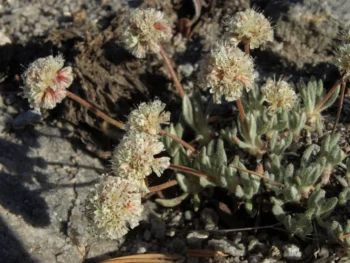
White Mountain Buckwheat: A High-Altitude Native Worth Growing
If you’re looking for a tough, drought-tolerant native plant that can handle challenging conditions while supporting local wildlife, White Mountain buckwheat (Eriogonum gracilipes) might just be your new garden hero. This hardy perennial brings alpine charm to lower elevation gardens and asks for very little in return.
What Makes White Mountain Buckwheat Special?
White Mountain buckwheat is a native forb—essentially a non-woody perennial herb—that calls the high elevations of California and Nevada home. Don’t let its delicate-sounding name fool you; this plant is as tough as they come. It’s perfectly adapted to harsh mountain conditions, which makes it an excellent choice for gardeners dealing with poor soils, drought, or challenging microclimates.
This species grows naturally in California and Nevada, particularly thriving in the White Mountains and surrounding high-elevation areas. It’s a true native of the American West, evolved to handle the extremes that come with mountain living.
- Species observed
- No observations
A Note About Conservation
Before we dive into growing tips, it’s important to know that White Mountain buckwheat has a conservation status that requires some attention. With a ranking that indicates it may be vulnerable in certain areas, it’s crucial to source this plant responsibly. Always purchase from reputable native plant nurseries that propagate their own stock rather than wild-collecting, and never harvest from wild populations.
Garden Appeal and Landscape Role
White Mountain buckwheat brings subtle beauty to the garden with its clusters of small white to cream-colored flowers that bloom over silvery-green foliage. While it won’t win any showiness contests, its understated elegance and reliable performance make it a valuable player in the right setting.
This plant excels in:
- Rock gardens and alpine-style landscapes
- Xeriscape and drought-tolerant garden designs
- Native plant gardens focused on regional flora
- Ground cover applications in challenging spots
- Naturalized areas that mimic high-desert conditions
Pollinator and Wildlife Benefits
Like many buckwheats, this species is a pollinator magnet. Its flowers attract native bees, butterflies, and other beneficial insects that are crucial for a healthy ecosystem. The long bloom period provides consistent nectar sources when many other plants have finished flowering for the season.
Growing Conditions and Care
White Mountain buckwheat is refreshingly low-maintenance once you understand its preferences. Think mountain meadow rather than lush garden bed.
Sunlight: Full sun is essential. This plant evolved in open, high-elevation environments and won’t tolerate shade.
Soil: Well-draining soil is absolutely critical. It can handle poor, rocky, or sandy soils but will struggle in heavy clay or anywhere water sits. If your soil doesn’t drain well, consider raised beds or rock gardens.
Water: Once established, this plant is extremely drought-tolerant. In fact, overwatering is more likely to kill it than underwatering. During the first growing season, provide occasional deep watering, then back off significantly.
Climate: Hardy in USDA zones 5-8, White Mountain buckwheat can handle cold winters and hot, dry summers—just like in its native mountain habitat.
Planting and Establishment Tips
The key to success with White Mountain buckwheat is mimicking its natural growing conditions:
- Plant in spring or fall when temperatures are moderate
- Ensure excellent drainage—add gravel or coarse sand to heavy soils
- Space plants according to their mature size to allow good air circulation
- Water deeply but infrequently during the first year
- Avoid fertilizers, which can actually harm this adapted-to-poor-soils plant
- Mulch lightly with gravel or decomposed granite rather than organic mulch
Is White Mountain Buckwheat Right for Your Garden?
This native beauty is perfect for gardeners who want to support local ecosystems while creating low-maintenance landscapes. It’s ideal if you’re dealing with challenging growing conditions, want to reduce water usage, or are creating habitat for native pollinators.
However, it might not be the best choice if you prefer lush, high-water gardens or need plants for shady locations. Its subtle beauty also means it works best as part of a cohesive design rather than as a standalone showstopper.
With responsible sourcing and proper growing conditions, White Mountain buckwheat can be a valuable addition to western gardens, bringing a piece of high-country beauty to your landscape while supporting the native plants and animals that make our regions unique.