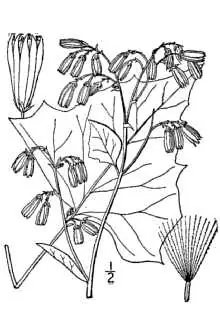
White Rattlesnakeroot: A Quiet Native Beauty for Shade Gardens
If you’re looking for a native plant that won’t steal the spotlight but adds gentle charm to your shade garden, white rattlesnakeroot (Prenanthes alba) might be just the understated beauty you need. This North American native brings subtle elegance to woodland gardens with its delicate white flowers and interesting foliage.
Meet White Rattlesnakeroot
White rattlesnakeroot is a native perennial forb that grows throughout much of eastern and central North America. As a member of the sunflower family, it produces clusters of small, drooping white flower heads that bloom in late summer, typically from August through September. The plant is also known by its botanical name Prenanthes alba, and you might occasionally see it listed under the synonym Nabalus albus.
Where Does It Call Home?
This native beauty has quite an impressive range! White rattlesnakeroot grows naturally across a vast territory including:
- Canadian provinces: Manitoba, Ontario, Quebec, and Saskatchewan
- Northeastern states from Maine to Virginia
- Midwest states from North Dakota to Missouri
- Parts of the South, including North Carolina and Arkansas
The plant’s extensive natural distribution speaks to its adaptability and hardiness across diverse climates and growing conditions.
- Species observed
- No observations
A Note About Rarity
While white rattlesnakeroot has a broad overall range, it’s worth noting that in Arkansas, this species has a rarity status of S1S2, meaning it’s critically imperiled to imperiled in that state. If you’re gardening in Arkansas or other areas where the plant might be uncommon, make sure to source your plants responsibly from reputable native plant nurseries rather than collecting from wild populations.
Why Grow White Rattlesnakeroot?
You might wonder why you’d want this relatively inconspicuous plant in your garden. Here’s what makes it worthwhile:
- Native credentials: Supporting local ecosystems by growing regional natives
- Low maintenance: Once established, it’s quite self-sufficient
- Shade tolerance: Perfect for those tricky spots under trees
- Pollinator support: Small butterflies and moths appreciate the nectar
- Naturalized appeal: Ideal for woodland or wild-style gardens
Growing Conditions and Care
White rattlesnakeroot is surprisingly easy-going once you understand its preferences. Here’s how to keep it happy:
Light and Location
This plant thrives in partial to full shade, making it perfect for woodland gardens or spots under mature trees. It naturally grows as an understory plant, so it’s well-adapted to filtered light conditions.
Soil Requirements
The good news is that white rattlesnakeroot isn’t particularly fussy about soil. It grows in various soil types and has a wetland status of Facultative Upland across its range, meaning it usually prefers non-wetland conditions but can tolerate some moisture. Aim for moist to medium-dry, well-draining soil.
Climate Considerations
Hardy in USDA zones 3-8, white rattlesnakeroot can handle both cold winters and moderate summers. Its extensive natural range proves its climate adaptability.
Planting and Maintenance Tips
- Plant in spring or fall for best establishment
- Provide consistent moisture the first year while roots develop
- Once established, the plant tolerates some drought
- May self-seed in favorable conditions, expanding your woodland display naturally
- Generally pest and disease resistant
- Cut back spent flowers if you don’t want self-seeding
Design Ideas and Garden Companions
White rattlesnakeroot works beautifully in naturalized settings where its subtle charm can shine. Consider pairing it with other native woodland plants like wild ginger, mayapple, or native ferns. It’s perfect for:
- Woodland borders and shade gardens
- Native plant collections
- Naturalized areas where you want a wild look
- Under-tree plantings where grass struggles
The Bottom Line
White rattlesnakeroot might not be the showiest plant in your garden, but it brings authentic native character and gentle beauty to shade areas. If you’re building a native plant garden or looking to support local ecosystems, this adaptable perennial deserves consideration. Just remember to source responsibly, especially if you’re in areas where it might be less common. Sometimes the most rewarding plants are the quiet ones that blend seamlessly into the natural landscape, creating habitat while adding their own subtle magic to your outdoor space.