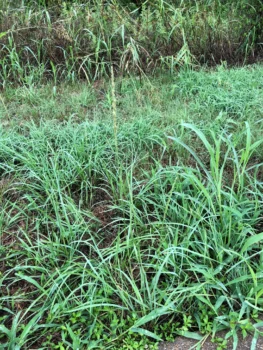
White Tridens: A Hardy Native Grass for Sustainable Landscapes
If you’re looking for a low-maintenance native grass that can handle tough conditions while adding subtle beauty to your landscape, white tridens might just be your new best friend. This unassuming perennial grass, known botanically as Tridens albescens, brings both practical benefits and quiet charm to gardens across the southern United States.
What is White Tridens?
White tridens is a native perennial grass that forms attractive clumps of fine-textured foliage. True to its name, this grass produces delicate seed heads that turn white to pale at maturity, creating a soft, almost ethereal appearance in the landscape. As a member of the grass family, it’s what botanists call a graminoid – basically a fancy way of saying it’s grass-like in its growth habit.
You might occasionally see this plant listed under its former scientific name, Rhombolytrum albescens, but don’t let the name confusion fool you – it’s the same reliable native grass.
Where Does White Tridens Grow Naturally?
This hardy grass is native to the south-central United States, naturally occurring across Arizona, Kansas, Louisiana, New Mexico, Oklahoma, Tennessee, and Texas. It’s perfectly adapted to the challenging growing conditions of the Great Plains and Southwest regions, which tells you a lot about its toughness and drought tolerance.
- Species observed
- No observations
Why Plant White Tridens in Your Garden?
There are several compelling reasons to consider adding white tridens to your landscape:
- Native plant benefits: As a true native, it supports local ecosystems and requires fewer inputs than non-native alternatives
- Drought tolerance: Once established, this grass can handle dry conditions with minimal supplemental watering
- Low maintenance: Perfect for gardeners who want beauty without constant fussing
- Erosion control: The root system helps stabilize soil on slopes and in problem areas
- Habitat value: Provides structure and shelter for small wildlife
Ideal Growing Conditions
White tridens is refreshingly unfussy about its growing conditions, but it does have some preferences:
- Sunlight: Full sun is best, though it can tolerate some light shade
- Soil: Well-draining soils are essential, but it adapts to various soil types
- Water: Drought tolerant once established, but appreciates occasional deep watering during extended dry spells
- Climate: Hardy in USDA zones 6-9, making it suitable for much of the southern and central United States
Wetland Tolerance
One interesting characteristic of white tridens is its variable relationship with moisture. Depending on your region, this grass shows different wetland tolerances. In the Arid West and Western Mountains regions, it typically prefers upland (non-wetland) conditions but can occasionally handle some moisture. In other regions like the Great Plains, Eastern Mountains, and Coastal areas, it’s more flexible, growing happily in both wet and dry conditions.
Perfect Spots for White Tridens
This versatile grass works beautifully in several landscape applications:
- Prairie and native plant gardens: Essential for authentic regional landscapes
- Xeriscaping: Excellent choice for water-wise gardening
- Naturalized areas: Perfect for low-maintenance, naturalistic plantings
- Erosion-prone slopes: Helps stabilize soil while looking attractive
- Mixed grass borders: Provides fine texture contrast with other native plants
Planting and Care Tips
Growing white tridens successfully is surprisingly straightforward:
- Planting time: Spring or fall when temperatures are moderate
- Spacing: Allow adequate room for clumps to develop naturally
- Watering: Water regularly the first year to establish deep roots, then reduce frequency
- Maintenance: Cut back in late winter or early spring before new growth begins
- Fertilizing: Generally unnecessary – native soils provide adequate nutrition
Wildlife and Pollinator Connections
While white tridens is wind-pollinated and doesn’t offer nectar like flowering plants, it still plays an important role in supporting wildlife. The grass provides valuable habitat structure for small birds, beneficial insects, and other creatures that make up a healthy ecosystem. Seeds may also provide food for birds and small mammals.
Is White Tridens Right for Your Garden?
White tridens is an excellent choice if you’re looking for a native grass that requires minimal care once established. It’s particularly well-suited for gardeners in its natural range who want to create sustainable, water-wise landscapes. The subtle beauty of its pale seed heads and fine-textured foliage makes it a perfect supporting player in native plant combinations.
However, if you’re looking for a showstopper grass with bold colors or dramatic form, you might want to consider other options. White tridens is more about quiet elegance and ecological function than flashy garden drama – and sometimes that’s exactly what a landscape needs.