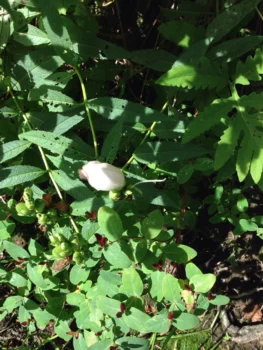
White Turtlehead: The Perfect Native Plant for Your Wet, Shady Spots
If you’ve got a soggy corner of your yard where other plants seem to throw in the towel, meet your new best friend: white turtlehead (Chelone glabra). This charming native perennial doesn’t just tolerate those perpetually damp spots in your garden – it absolutely thrives in them!
What Makes White Turtlehead Special?
White turtlehead gets its delightful name from its unique flowers, which look remarkably like tiny turtle heads poking out of their shells. These cream-colored to pure white tubular blooms appear in late summer through fall, providing a welcome burst of color when many other flowers are calling it quits for the season.
This herbaceous perennial is a true American native, naturally occurring across a huge swath of North America. You’ll find it growing wild from the Maritime provinces of Canada all the way down to Georgia and Alabama, and from the Atlantic coast west to the Great Plains.
- Species observed
- No observations
Note for Arkansas gardeners: White turtlehead is considered rare in your state (S1 status), so if you’re planning to add it to your garden, make sure you purchase from reputable nurseries that propagate their own plants rather than wild-collecting.
Why Your Garden Needs White Turtlehead
Here’s why this native beauty deserves a spot in your landscape:
- Wetland warrior: Classified as an obligate wetland plant, it’s perfect for those challenging areas with poor drainage
- Pollinator magnet: Bumblebees absolutely love the flowers, and it’s a host plant for the stunning Baltimore checkerspot butterfly
- Late-season bloomer: Extends your garden’s interest well into fall
- Low maintenance: Once established, it pretty much takes care of itself
- Native credentials: Supports local ecosystems and wildlife
Perfect Garden Spots for White Turtlehead
White turtlehead is incredibly versatile when it comes to garden design. Consider it for:
- Rain gardens and bioswales
- Shaded bog or wetland gardens
- Naturalized woodland areas
- Alongside ponds or streams
- Back-of-border plantings in partial shade
This perennial typically reaches 2-4 feet tall and spreads about 1-2 feet wide, making it an excellent mid-to-back border plant.
Growing White Turtlehead Successfully
Climate: Hardy in USDA zones 3-8, so it can handle everything from frigid northern winters to warm southern summers.
Light requirements: Prefers partial shade to full shade, though it can tolerate morning sun if the soil stays consistently moist.
Soil needs: Here’s where white turtlehead really shines – it loves consistently moist to wet soil. Clay soil? No problem! Seasonal flooding? Bring it on! Just make sure the soil doesn’t completely dry out.
Planting and Care Tips
When to plant: Spring or fall are ideal planting times.
Planting: Dig a hole the same depth as the root ball and twice as wide. Space plants 18-24 inches apart.
Watering: Keep soil consistently moist, especially during the first growing season. Once established, it should thrive on natural rainfall in most climates.
Maintenance: Minimal! You can deadhead spent flowers if you prefer a tidier look, but the seed heads provide food for birds. Cut back to ground level in late fall or early spring.
Propagation: Divide clumps every 3-4 years in spring, or collect seeds in fall for spring sowing.
The Bottom Line
White turtlehead is one of those wonderful native plants that solves problems while adding beauty to your garden. If you’ve been struggling with a wet, shady area where nothing seems to grow, this perennial could be exactly what you need. Plus, you’ll be supporting native pollinators and creating habitat for local wildlife – it’s a win-win situation that any gardener can feel good about!