White Violet: A Delicate Native Groundcover for Shady Spots
If you’re looking for a charming native groundcover that thrives in those tricky shaded areas of your garden, let me introduce you to the white violet (Viola renifolia). This delightful little perennial might just be the perfect addition to your woodland garden or naturalized landscape.
What Makes White Violet Special?
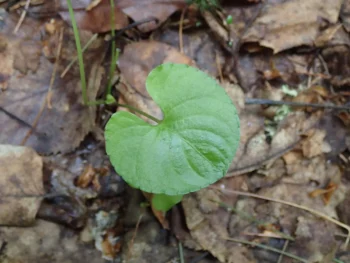
White violet is a native North American wildflower that belongs to the violet family. Unlike its more colorful cousins, this species produces lovely small white flowers adorned with delicate purple veining. The flowers, which bloom from late spring into early summer, are complemented by distinctive heart-shaped leaves that give the plant its scientific name – renifolia means kidney-shaped leaves.
This perennial forb (a non-woody flowering plant) has a low, spreading growth habit that makes it excellent for ground coverage in woodland settings. As a bonus, it’s incredibly hardy and can withstand harsh northern winters with ease.
Where Does White Violet Call Home?
White violet boasts an impressive native range across North America. You’ll find this hardy plant growing naturally from Alaska down through Canada and into many northern and mountainous states including Colorado, Idaho, Montana, and throughout the northeastern United States. It’s also found in the Great Lakes region and extends into areas of Wyoming, South Dakota, and even parts of New England.
- Species observed
- No observations
Why Choose White Violet for Your Garden?
There are several compelling reasons to consider adding white violet to your landscape:
- Native Benefits: As a true native plant, it supports local ecosystems and wildlife
- Low Maintenance: Once established, it requires minimal care and attention
- Pollinator Friendly: The flowers attract small native bees, flies, and other beneficial pollinators
- Wildlife Value: Serves as a host plant for beautiful fritillary butterfly caterpillars
- Adaptable: Handles both wetland and non-wetland conditions, though it prefers consistently moist soil
- Cold Hardy: Thrives in USDA zones 2-7, making it perfect for northern gardens
Perfect Garden Settings
White violet shines brightest in:
- Woodland gardens under mature trees
- Shaded border areas
- Native plant gardens
- Naturalized landscapes and meadows
- Areas with consistent moisture
Its wetland indicator status suggests it usually prefers moist conditions, making it an excellent choice for those slightly soggy spots in your yard where other plants might struggle.
Growing White Violet Successfully
Light Requirements: Partial to full shade – this plant actually prefers to stay out of intense sunlight.
Soil Preferences: Moist, well-draining soil with good organic content. It tolerates acidic conditions well and appreciates soil that stays consistently damp but not waterlogged.
Planting Tips: Plant in spring or fall when temperatures are cool. Space plants about 6-8 inches apart if you want quicker coverage, though they’ll naturally spread over time through underground rhizomes and self-seeding.
Care and Maintenance: Here’s the best part – white violet is remarkably low-maintenance! Water during dry spells, especially in the first growing season. The plant may go dormant during hot, dry summers, but don’t worry – it will bounce back when cooler, moister conditions return.
A Few Things to Keep in Mind
White violet does spread naturally through both rhizomes and self-seeding, so give it room to roam or be prepared to manage its expansion. In hot climates or during drought conditions, the plant may die back to its roots, but this is completely normal behavior.
Since this is a truly native species with no known invasive tendencies, you can plant it with confidence knowing you’re supporting local wildlife and ecosystems.
The Bottom Line
White violet (Viola renifolia) is a wonderful choice for gardeners who want to support native wildlife while adding subtle beauty to shaded areas. Its delicate white flowers, attractive foliage, and easy-care nature make it a valuable addition to woodland gardens, native landscapes, and naturalized areas. Plus, knowing that you’re providing food for pollinators and butterfly caterpillars makes growing this charming native even more rewarding!