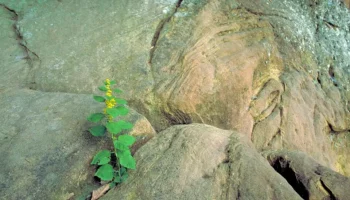
Whitehair Goldenrod: A Rare Kentucky Native Worth Protecting
Meet whitehair goldenrod (Solidago albopilosa), one of Kentucky’s most precious botanical treasures. This native perennial is so rare that most gardeners will never encounter it in the wild – and that’s exactly why it deserves our attention and respect.
What Makes Whitehair Goldenrod Special?
Whitehair goldenrod is a herbaceous perennial forb, meaning it’s a non-woody flowering plant that dies back to the ground each winter and returns the following spring. As a member of the goldenrod family, it likely produces the characteristic bright yellow flowers that make these plants beloved by pollinators and gardeners alike.
Where Does It Call Home?
This remarkable plant is found exclusively in Kentucky, making it a true state endemic. Its extremely limited distribution is one of the key factors contributing to its imperiled status.
- Species observed
- No observations
A Plant on the Brink
Here’s where things get serious: whitehair goldenrod has a Global Conservation Status of S2, which means it’s imperiled. With typically only 6 to 20 known occurrences and potentially fewer than 3,000 individual plants remaining, this species is hanging on by a thread.
This rarity status puts whitehair goldenrod in a very different category from most garden plants. It’s not something you’ll find at your local nursery, and it shouldn’t be collected from the wild under any circumstances.
Should You Grow Whitehair Goldenrod?
The short answer is: probably not, unless you’re involved in legitimate conservation efforts. Here’s why:
- Its extreme rarity means wild populations cannot sustain any collection pressure
- Seeds or plants are not commercially available through normal channels
- Growing requirements are not well-documented due to limited study
- Conservation efforts should be left to botanists and conservation organizations
Better Alternatives for Your Garden
If you’re drawn to goldenrods (and you should be – they’re fantastic native plants!), consider these more common Kentucky natives instead:
- Tall goldenrod (Solidago altissima)
- Gray goldenrod (Solidago nemoralis)
- Stiff goldenrod (Solidago rigida)
- Showy goldenrod (Solidago speciosa)
These alternatives will give you the same late-season color and pollinator benefits without putting rare species at risk.
How You Can Help
While you probably shouldn’t try to grow whitehair goldenrod in your garden, you can still support its conservation:
- Support local botanical surveys and conservation organizations
- Choose other native Kentucky goldenrods for your landscape
- Learn to identify rare plants in your area
- Report any unusual goldenrod sightings to local botanists
The Bigger Picture
Whitehair goldenrod serves as a reminder that our native plant communities include both common species we can freely cultivate and rare gems that need our protection more than our gardens need them. By choosing abundant native alternatives and supporting conservation efforts, we can enjoy beautiful native landscapes while helping ensure that Kentucky’s rarest plants survive for future generations.
Sometimes the most responsible thing a plant lover can do is admire from afar – and whitehair goldenrod is definitely one of those times.