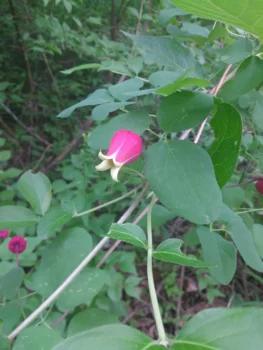
Whiteleaf Leather Flower: A Hidden Gem for Shade Gardens
If you’re searching for a unique native climber that thrives in shady spots where other flowering vines struggle, meet the whiteleaf leather flower (Clematis glaucophylla). This charming southeastern native might not be the showiest plant in the garden center, but it’s got character in spades and offers something truly special for gardeners who appreciate subtle beauty.
What Makes Whiteleaf Leather Flower Special
Don’t let the name fool you—this isn’t your typical showy clematis with dinner-plate-sized blooms. The whiteleaf leather flower is all about understated elegance. Its small, bell-shaped flowers are a rich purplish-brown to reddish-brown color and nod gracefully from the stems like tiny lanterns. But the real star of the show? Those distinctive leaves with their silvery-white undersides that flash in the breeze, giving the plant its common name.
This perennial vine is a true climber, using its twining stems to scramble up through shrubs, over fences, or along trellises. The stems can be either woody or herbaceous, and the whole plant has a delightfully relaxed, cottage garden feel.
Where You’ll Find It Growing Wild
As a proud native of the southeastern United States, whiteleaf leather flower calls home to thirteen states: Alabama, Arkansas, Florida, Georgia, Kentucky, Louisiana, Mississippi, Missouri, North Carolina, Oklahoma, South Carolina, Tennessee, and Virginia. In the wild, you’ll typically spot it threading through woodland edges and forest margins, where it has learned to make the most of dappled light.
- Species observed
- No observations
A Note About Rarity
Here’s something important to keep in mind: in Arkansas, this beauty is considered quite rare with an S1 status, meaning it’s critically imperiled in that state. If you’re planning to add whiteleaf leather flower to your garden, please make sure you’re purchasing from reputable nurseries that propagate their plants responsibly rather than wild-collecting them.
Perfect for Woodland Gardens
This vine is practically made for shade gardeners who’ve been searching for something different. Unlike many flowering vines that demand full sun, whiteleaf leather flower actually prefers partial to full shade—making it perfect for those tricky spots under trees or on the north side of buildings.
It’s fantastic for:
- Woodland and native plant gardens
- Naturalized landscapes where you want that wild look
- Climbing up through existing shrubs and trees
- Covering fences or trellises in shaded areas
- Adding texture and movement to shade borders
Growing Conditions and Care
One of the best things about whiteleaf leather flower is how adaptable it is. This vine is hardy in USDA zones 6-9, making it suitable for most temperate regions. It’s quite the accommodating guest in the garden, tolerating various soil types as long as they provide good drainage.
For growing conditions, think woodland floor:
- Light: Partial shade to full shade
- Soil: Moist to moderately dry, well-draining
- Water: Moderate; drought tolerant once established
- Maintenance: Low—this is not a fussy plant
The vine has a facultative wetland status, meaning it’s equally happy in slightly wet or dry conditions, though it doesn’t need to be planted in consistently soggy soil.
Planting and Care Tips
Getting started with whiteleaf leather flower is refreshingly straightforward. Plant in spring or fall when temperatures are mild, and give it something to climb—whether that’s a trellis, fence, or nearby shrub. The plant will do the rest of the work, twining its way upward.
A layer of mulch around the base will help retain moisture and suppress weeds, but beyond that, this is a fairly low-maintenance vine. Once established, it’s quite drought tolerant, though it appreciates consistent moisture during dry spells.
Benefits for Wildlife
While it may look delicate, whiteleaf leather flower pulls its weight in the ecosystem. The unique flowers attract small native bees and flies, providing nectar for pollinators that might otherwise struggle to find food sources in shady areas. Later in the season, the seeds provide food for birds—a nice bonus for wildlife-friendly gardens.
Why Choose Whiteleaf Leather Flower
If you’re tired of the same old shade plants and want something with genuine character, whiteleaf leather flower might be exactly what your garden needs. It brings a sense of place to southeastern gardens, supports local wildlife, and provides year-round interest with its attractive foliage and unique flowers.
Plus, there’s something deeply satisfying about growing a plant that most of your neighbors have never heard of—especially when it’s this easy to care for and this beautiful in its own quiet way.
Just remember to source your plants responsibly, and you’ll have a conversation-starting native vine that’s as good for the environment as it is for your garden’s aesthetic appeal.