Whitemouth Dayflower: A Charming Native Wildflower for Your Garden
Meet the whitemouth dayflower (Commelina erecta var. erecta), a delightful native perennial that’s been quietly beautifying American landscapes for centuries. This unassuming little wildflower might not win any flashy flower contests, but it brings a subtle charm and important ecological value to gardens across much of the United States.
What Makes Whitemouth Dayflower Special?
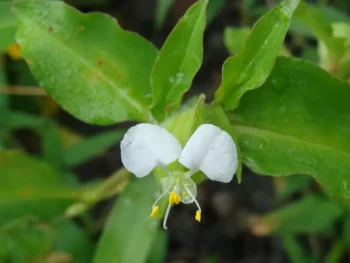
The whitemouth dayflower gets its distinctive name from its unique three-petaled flowers – two bright blue petals above and one smaller white petal below, creating the whitemouth appearance. These cheerful blooms appear throughout the growing season, opening in the morning and typically closing by afternoon, hence the dayflower part of the name.
As a native herbaceous perennial, this plant belongs to the spiderwort family and grows as a forb – essentially a non-woody flowering plant that returns year after year. You might also see it listed under its botanical synonyms Commelina elegans or Commelina saxicola in older gardening references.
Where Does It Call Home?
Whitemouth dayflower is truly a widespread American native, naturally occurring across an impressive range that includes Alabama, Arizona, Arkansas, Delaware, District of Columbia, Florida, Georgia, Illinois, Indiana, Kansas, Kentucky, Louisiana, Maryland, Mississippi, Missouri, New Jersey, New Mexico, New York, North Carolina, Oklahoma, Pennsylvania, Rhode Island, South Carolina, Tennessee, Texas, Virginia, West Virginia, Puerto Rico, and the Virgin Islands.
- Species observed
- No observations
Should You Plant Whitemouth Dayflower?
Here’s where things get interesting – and important. While this native beauty would make a lovely addition to most gardens, there’s a crucial consideration for responsible gardeners to keep in mind.
Rarity Alert: In New Jersey, whitemouth dayflower holds an endangered status and is specially listed for both the Pinelands and Highlands regions. If you’re gardening in New Jersey or anywhere in the Northeast, this plant deserves extra respect and responsible sourcing.
The Good Reasons to Grow It
- Native plant benefits: Supports local ecosystems and wildlife
- Pollinator friendly: Attracts small native bees and beneficial insects
- Low maintenance: Once established, it’s quite self-sufficient
- Subtle beauty: Adds delicate texture and color to naturalized areas
- Adaptable: Thrives in USDA hardiness zones 6-10
Growing Conditions and Care
Whitemouth dayflower is refreshingly easygoing about its growing conditions. It adapts well to partial shade or full sun situations and tolerates a range of soil moisture levels from moist to moderately dry. This flexibility makes it an excellent choice for transitional areas in your landscape where conditions might vary.
The plant works beautifully as a ground cover in naturalized settings, along woodland edges, or tucked into native plant borders where its modest height won’t compete with showier specimens.
Planting Responsibly
Given its endangered status in some regions, responsible sourcing is absolutely critical. Here’s how to approach it:
- Purchase only from reputable native plant nurseries that can verify their stock isn’t wild-collected
- Never collect seeds or plants from wild populations
- Consider growing it from ethically sourced seeds rather than purchasing plants
- If you’re in New Jersey, consult with local native plant societies before attempting to grow this species
The Bottom Line
Whitemouth dayflower represents the best of native gardening – a plant that’s both ecologically valuable and garden-worthy. Its charming blue and white flowers, easy-care nature, and wildlife benefits make it a wonderful addition to the right garden. Just remember to source it responsibly, especially given its rarity in some regions.
If you’re looking to support native pollinators while adding subtle beauty to your landscape, whitemouth dayflower might just be the perfect unsung hero for your garden. Sometimes the most valuable plants are the ones that work quietly behind the scenes, and this delightful native certainly fits that description.