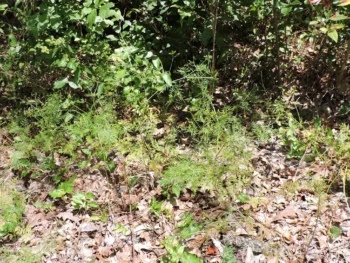
Whitenymph: A Mysterious Native Annual for Wetland Gardens
If you’re the type of gardener who loves discovering hidden gems in the native plant world, you might find yourself intrigued by whitenymph (Trepocarpus aethusae). This little-known annual forb represents one of those fascinating native species that flies under the radar of most gardening conversations, yet offers unique potential for specialized garden settings.
What is Whitenymph?
Whitenymph is a native annual forb – essentially a soft-stemmed herbaceous plant that completes its entire life cycle in one growing season. As a forb, it lacks the woody tissue that characterizes shrubs and trees, instead producing perennating buds at or below ground level. This humble growth habit makes it quite different from the showier perennials that typically steal the spotlight in native plant gardens.
Where Does Whitenymph Call Home?
This southeastern native has quite an impressive natural range across the lower 48 states, making appearances in Alabama, Arkansas, Florida, Georgia, Kentucky, Louisiana, Mississippi, Missouri, Oklahoma, South Carolina, Tennessee, and Texas. It’s a true child of the American Southeast and south-central regions.
- Species observed
- No observations
The Wetland Connection
Here’s where whitenymph gets really interesting – and perhaps a bit demanding. This plant has a strong affinity for wetland environments, though its exact preferences vary by region:
- Atlantic and Gulf Coastal Plain: Facultative Wetland status (usually in wetlands, but flexible)
- Eastern Mountains and Piedmont: Facultative Wetland status
- Great Plains: Facultative Wetland status
- Midwest: Obligate Wetland status (almost always in wetlands)
This wetland preference is your biggest clue about whether whitenymph belongs in your garden – if you don’t have consistently moist to wet conditions, this probably isn’t your plant.
Should You Grow Whitenymph?
Here’s the honest truth: whitenymph presents some unique challenges for the home gardener. As a relatively obscure native species, it’s not commonly available in nurseries, and there’s limited information about its specific cultivation requirements, aesthetic appeal, or garden performance.
You might want to consider whitenymph if:
- You have naturally wet or marshy areas in your landscape
- You’re passionate about preserving rare or uncommon native species
- You enjoy the challenge of growing lesser-known plants
- You’re creating a specialized wetland restoration project
You might want to skip whitenymph if:
- You’re looking for reliable, well-documented garden performers
- You have typical garden conditions (not consistently wet)
- You want plants with known aesthetic appeal and design value
- You prefer low-maintenance options
Growing Whitenymph: What We Know
Given the limited cultivation information available, growing whitenymph successfully requires some educated guesswork based on its natural habitat preferences:
Site Requirements:
- Consistently moist to wet soil conditions
- Natural or artificially maintained wetland areas
- Areas that flood seasonally or remain saturated
As an Annual:
- Expect to replant each year or allow for natural self-seeding
- Seeds likely need specific moisture and temperature conditions to germinate
- May require fall or early spring planting depending on regional climate
The Bottom Line
Whitenymph represents one of those intriguing native species that challenges us to think beyond the typical garden catalog. While it may not offer the immediate gratification of a showy wildflower or the reliability of a well-studied native perennial, it provides an opportunity to support biodiversity and experiment with lesser-known regional flora.
If you’re drawn to whitenymph, consider it a specialty project rather than a foundation planting. Start small, observe how it performs in your specific conditions, and be prepared for some trial and error. Sometimes the most rewarding gardening experiences come from these mysterious natives that keep a few secrets up their sleeves.
For gardeners seeking more reliable wetland natives with similar growing conditions, consider exploring better-documented options like native sedges, rushes, or other wetland wildflowers that might provide similar ecological benefits with more predictable results.