Whiteray Pygmydaisy: A Rare California Treasure Worth Protecting
Meet the whiteray pygmydaisy (Pentachaeta bellidiflora), one of California’s most endangered wildflowers. This tiny annual might not win any awards for showiness, but what it lacks in size, it more than makes up for in conservation significance. If you’re passionate about preserving California’s native flora, this delicate beauty deserves a spot on your radar.
What Makes This Little Daisy So Special?
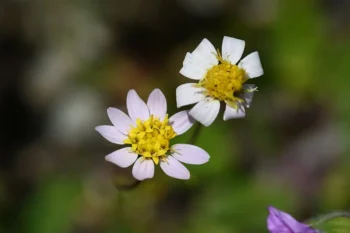
The whiteray pygmydaisy is exactly what its name suggests – a miniature daisy with pristine white petals radiating from a sunny yellow center. As an annual forb, it completes its entire life cycle in just one growing season, making every bloom precious. Don’t let its diminutive stature fool you; this hardy little wildflower represents millions of years of evolution perfectly adapted to California’s unique climate.
A California Endemic in Crisis
Here’s where things get serious. The whiteray pygmydaisy is native exclusively to California, and it’s in trouble – big trouble. With a Global Conservation Status of S1 (Critically Imperiled) and listed as Endangered in the United States, this species is hanging by a thread. Typically, fewer than five populations exist, with less than 1,000 individuals remaining in the wild.
- Species observed
- No observations
Should You Grow Whiteray Pygmydaisy?
The short answer: Only if you can source it responsibly.
Given its critically endangered status, growing whiteray pygmydaisy comes with serious ethical considerations. If you’re determined to help this species survive, here’s what you need to know:
- Never collect seeds or plants from wild populations
- Only purchase from reputable native plant nurseries with documented conservation programs
- Consider participating in formal conservation efforts through botanical gardens or native plant societies
- Understand that successful cultivation may be challenging and require specialized knowledge
Growing Conditions and Care
While specific growing requirements for whiteray pygmydaisy aren’t well-documented (partly due to its rarity), we can make educated assumptions based on its California native status and annual forb characteristics:
- Sunlight: Likely prefers full sun conditions
- Soil: Well-draining soils typical of California’s Mediterranean climate
- Water: Probably drought-tolerant once established, following natural rainfall patterns
- Climate: Best suited for USDA zones 9-10, matching its native California range
Conservation Over Cultivation
Here’s the reality check: instead of trying to grow this endangered species in your garden, consider supporting its conservation in more impactful ways. Donate to organizations working to protect California’s remaining wildlands, participate in habitat restoration projects, or advocate for stronger environmental protections.
If you’re looking for similar aesthetic appeal without the conservation concerns, consider these more common California natives:
- Common goldfields (Lasthenia californica)
- Tidy tips (Layia platyglossa)
- Baby blue eyes (Nemophila menziesii)
The Bigger Picture
The whiteray pygmydaisy’s plight represents a larger crisis facing California’s native flora. Habitat loss, climate change, and human development have pushed countless species to the brink. By choosing to garden with native plants – even common ones – you’re creating stepping stones for wildlife and supporting the broader ecosystem that rare species like whiteray pygmydaisy depend on.
Sometimes the most meaningful way to appreciate a rare wildflower is to admire it from a distance while working to ensure future generations will have that same opportunity. The whiteray pygmydaisy may be small, but its story is a powerful reminder of what we stand to lose – and what we still have time to save.