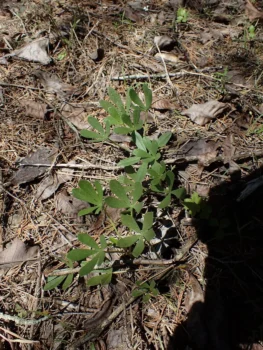
Whiterim Scurfpea: A Rare Native Gem Worth Protecting
Meet the whiterim scurfpea (Pediomelum subacaule), a little-known native perennial that’s quietly making its mark in the southeastern United States. This unassuming member of the legume family might not be the showiest plant in your garden, but it carries significant ecological importance that makes it worth getting to know.
What Makes Whiterim Scurfpea Special?
Whiterim scurfpea is a perennial forb, meaning it’s an herbaceous plant that comes back year after year without developing woody stems. Previously known by the scientific name Psoralea subacaulis, this native beauty belongs to a group of plants that have adapted to specific regional conditions over thousands of years.
As a true native of the lower 48 states, this plant has co-evolved with local wildlife and environmental conditions, making it a valuable addition to gardens focused on supporting regional ecosystems.
Where Does It Call Home?
Whiterim scurfpea has a relatively limited native range, naturally occurring in just three southeastern states:
- Alabama
- Georgia
- Tennessee
This restricted distribution is part of what makes the plant so special – and so vulnerable.
- Species observed
- No observations
A Conservation Concern
Here’s where things get serious: whiterim scurfpea is considered rare, with a rarity status of S2 in Alabama, meaning it’s imperiled in the state. This classification indicates that the plant faces real conservation challenges and deserves our attention and protection.
If you’re interested in growing this species, it’s crucial to source plants or seeds only from reputable native plant nurseries that ethically propagate their stock. Never collect plants from wild populations – this can further threaten already vulnerable communities.
Garden Potential and Growing Conditions
While detailed growing information for whiterim scurfpea is limited due to its rarity, we can make some educated assumptions based on its family characteristics and native habitat. As a legume family member, it likely:
- Prefers well-drained soils
- Thrives in full to partial sun conditions
- Benefits from minimal fertilization (legumes fix their own nitrogen)
- Supports native pollinators, particularly bees and butterflies
Given its native range, whiterim scurfpea would likely be hardy in USDA zones 6-8, making it suitable for much of the southeastern United States.
Why Consider This Rare Beauty?
While whiterim scurfpea might not provide the dramatic visual impact of more common garden plants, it offers something potentially more valuable: a direct connection to your region’s natural heritage. By growing native plants like this one, you’re:
- Supporting local pollinator populations
- Preserving genetic diversity
- Creating habitat for native wildlife
- Participating in conservation efforts
The Bottom Line
Whiterim scurfpea represents the kind of plant that serious native gardeners and conservationists should know about. While it may not be readily available at your local garden center, seeking out responsibly sourced specimens for your native plant garden can contribute to the species’ long-term survival.
If you’re passionate about native plants and have experience growing challenging species, whiterim scurfpea could be a rewarding addition to your collection. Just remember: with rare plants comes responsibility. Always source ethically and consider your garden a small but important refuge for these botanical treasures.
Sometimes the most important plants aren’t the prettiest or most popular – they’re simply the ones that need our help the most.