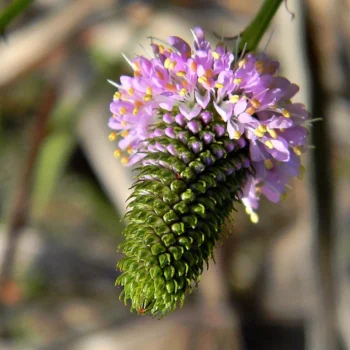
Whitetassels: A Hidden Gem for Southeastern Native Gardens
If you’re looking for a native plant that’s truly off the beaten path, let me introduce you to whitetassels (Dalea carnea). This lesser-known member of the legume family might not be the star of every garden center, but it deserves a spot in southeastern native plant gardens for gardeners who appreciate subtle beauty and ecological value.
What Exactly Are Whitetassels?
Whitetassels are perennial forb herbs, meaning they’re non-woody plants that come back year after year. Unlike shrubs or trees, these plants put their energy into soft, herbaceous growth rather than building woody stems. The name whitetassels gives you a pretty good mental image of what to expect – delicate white to pinkish flower spikes that do indeed resemble tiny tassels dancing in the breeze.
You might also see this plant listed under its older scientific names, including Petalostemon carneus, but Dalea carnea is the current accepted name in botanical circles.
Where Do Whitetassels Call Home?
Whitetassels are native to the southeastern United States, specifically documented in Florida and Georgia. This makes them true regional specialists – plants that have evolved alongside local wildlife and weather patterns for thousands of years.
- Species observed
- No observations
In their natural habitat, whitetassels typically grow in areas that can handle both wet and dry conditions, earning them a facultative wetland designation in the Atlantic and Gulf Coastal Plain region. This means they’re flexible – happy in wetlands but also capable of thriving in drier spots.
Why Plant Whitetassels in Your Garden?
Here’s where whitetassels really shine as garden plants:
- Native credentials: As true natives, they support local ecosystems and require fewer resources once established
- Pollinator potential: Like other members of the Dalea family, whitetassels likely attract native bees and butterflies
- Water flexibility: Their facultative wetland status means they can handle varying moisture levels
- Low maintenance: Native perennials typically need less fussing once they’re settled in
- Unique appeal: You won’t see these in every neighborhood garden
The Right Spot for Whitetassels
Whitetassels work beautifully in:
- Native plant gardens focused on southeastern species
- Rain gardens or areas with variable moisture
- Naturalized meadow or prairie-style plantings
- Wildlife gardens designed to support local pollinators
Given their Florida and Georgia origins, whitetassels are likely suited for USDA hardiness zones 8-10, making them perfect for gardeners in the warmer parts of the Southeast.
Growing Whitetassels Successfully
While specific growing information for whitetassels is limited (they’re truly a specialist’s plant!), we can draw from their natural habitat and family characteristics:
Light: Full sun is probably your best bet, as most prairie and meadow plants prefer bright conditions.
Soil: Well-draining soil that can handle both wet and dry periods. Their facultative wetland status suggests they’re not picky about occasional flooding or drought.
Water: Once established, they should be quite drought-tolerant, though they can handle extra moisture during rainy periods.
Maintenance: Likely minimal – native perennials usually take care of themselves once they’re happy in their spot.
A Word About Sourcing
Here’s something important to know: whitetassels have a conservation status that suggests they may be uncommon in parts of their range. If you’re lucky enough to find them for sale, make sure you’re buying from reputable native plant nurseries that source their plants responsibly. Never collect from wild populations.
The Bottom Line
Whitetassels aren’t for every gardener – they’re more of a plant nerd’s plant than a mainstream garden staple. But if you’re passionate about growing true regional natives and supporting local ecosystems, these unassuming perennials offer something special. They’re living pieces of southeastern natural heritage, perfectly adapted to local conditions and ready to support the wildlife that depends on native plants.
Just remember that finding whitetassels might take some detective work – they’re not common in the nursery trade. But for dedicated native plant gardeners, that’s half the fun, isn’t it?