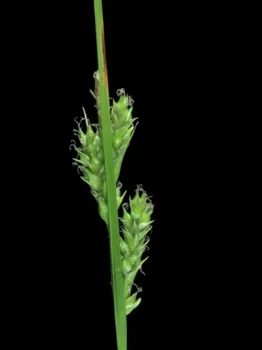
Whitney’s Sedge: A Rare Mountain Beauty for Your Native Garden
Meet Whitney’s sedge (Carex whitneyi), a charming little perennial that’s quietly making waves in the native gardening world. This unassuming grass-like plant might not win any flashy flower contests, but it’s got character, resilience, and a story that makes it worth considering for your landscape.
What Makes Whitney’s Sedge Special?
Whitney’s sedge is a true native of the American West, calling the mountains of California, Nevada, and Oregon home. As a member of the sedge family (Cyperaceae), it’s technically not a grass, though it certainly looks like one with its narrow, arching leaves that form neat tufts of blue-green to gray-green foliage.
This perennial graminoid grows naturally in the montane and subalpine regions of the Sierra Nevada and other western mountain ranges, where it has adapted to rocky, well-drained soils and dramatic temperature swings. In spring, it produces small, inconspicuous brownish flower spikes that may not stop traffic but certainly do their job in the ecosystem.
- Species observed
- No observations
A Word of Caution: This Plant is Vulnerable
Here’s something important to know before you fall head-over-heels for Whitney’s sedge: it’s classified as S3, which means it’s considered vulnerable in the wild. With typically only 21 to 100 known occurrences and between 3,000 to 10,000 individuals total, this little sedge is somewhat rare and precious.
Does this mean you shouldn’t plant it? Absolutely not! But it does mean you should be thoughtful about sourcing. Only purchase Whitney’s sedge from reputable nurseries that propagate their plants responsibly rather than wild-collecting them. By growing this species in cultivation, you’re actually helping to preserve it for future generations.
Why Your Garden (Might) Want Whitney’s Sedge
Whitney’s sedge isn’t for everyone, and that’s okay! Here’s who might fall in love with this mountain native:
- Native plant enthusiasts: If you’re passionate about supporting local ecosystems, this sedge is a wonderful way to bring a piece of western mountain habitat to your yard
- Rock gardeners: Its natural preference for well-drained, rocky conditions makes it perfect for alpine and rock garden settings
- Low-water gardeners: Once established, Whitney’s sedge is quite drought-tolerant, making it suitable for xeriscaping
- Wildlife supporters: While the flowers aren’t showy, the seeds provide food for birds, and the plant offers habitat for small creatures
However, if you’re looking for dramatic flowers, rapid growth, or a plant that works in boggy conditions, you might want to look elsewhere. Whitney’s sedge is more of a quiet, steady presence than a showstopper.
Growing Whitney’s Sedge Successfully
The good news is that once you understand what Whitney’s sedge wants, it’s relatively easy to keep happy. Think mountain meadow rather than lush lawn.
Growing Conditions
- Sunlight: Full sun to partial shade (it tolerates both well)
- Soil: Well-drained is non-negotiable! Sandy or rocky soils are ideal
- Water: Moderate water during establishment, then quite drought-tolerant
- Climate: Hardy in USDA zones 5-9, perfect for areas with cold winters and warm, dry summers
Planting and Care Tips
- Plant in spring when the soil is workable but not waterlogged
- Amend heavy clay soils with sand, gravel, or pumice to improve drainage
- Water regularly the first year while roots establish, then back off significantly
- No fertilizer needed – this plant prefers lean conditions
- Cut back old foliage in late winter if it looks tatty, though this isn’t strictly necessary
- Mulch lightly with gravel or small stones rather than organic matter
Design Ideas and Companion Plants
Whitney’s sedge works beautifully in naturalistic settings where it can mingle with other native mountain plants. Consider pairing it with native wildflowers, small shrubs like manzanita or ceanothus, and other drought-tolerant perennials. It’s excellent as a groundcover in areas that mimic its natural habitat – think rocky slopes, raised beds, or areas with sharp drainage.
The plant forms attractive clumps that provide texture and movement in the landscape without being aggressive or invasive. Its subtle coloring makes it a perfect backdrop for more colorful native flowers.
The Bottom Line
Whitney’s sedge won’t be the star of every garden, but for the right gardener in the right location, it’s a wonderful choice. Its combination of native credentials, drought tolerance, and quiet beauty makes it valuable for those looking to create authentic, sustainable landscapes that honor the natural heritage of the American West.
Just remember: source responsibly, provide good drainage, and appreciate this plant for what it is – a resilient mountain native that’s perfectly adapted to its challenging environment. Sometimes the most interesting plants are the ones that don’t try too hard to impress!