Wholeleaf Goldenweed: A Rare Treasure for Drought-Tolerant Gardens
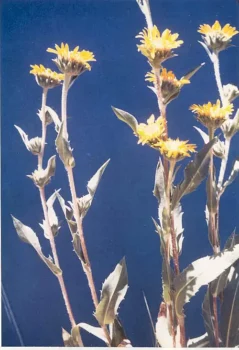
If you’re looking for a native plant that’s as tough as nails and twice as beautiful, let me introduce you to wholeleaf goldenweed (Pyrrocoma insecticruris). This little-known perennial forb is like finding a hidden gem in the world of native gardening – rare, resilient, and absolutely worth getting to know.
What Makes Wholeleaf Goldenweed Special?
Wholeleaf goldenweed is a native treasure that calls the rugged landscapes of Idaho home. As a perennial forb, it’s perfectly adapted to life in the intermountain West, where summers are hot and dry, and plants need to be tough to survive. This hardy little plant produces cheerful yellow daisy-like flowers that bloom in late summer, providing a welcome splash of color when many other plants are calling it quits for the season.
What really sets this plant apart is its rarity. With a Global Conservation Status of S3 (Vulnerable), wholeleaf goldenweed is considered vulnerable throughout its range. This means there are typically only 21 to 100 occurrences of this species, making it a truly special addition to any native plant garden.
Where Does Wholeleaf Goldenweed Grow?
This Idaho native is endemic to the southwestern parts of the state, where it thrives in dry foothills and sagebrush communities. It’s perfectly at home in the challenging conditions of the intermountain West, making it an excellent choice for gardeners in similar climates.
- Species observed
- No observations
Should You Plant Wholeleaf Goldenweed?
Here’s the thing about rare native plants – they need our help, but we need to be smart about it. If you live in USDA hardiness zones 4-8 and have the right growing conditions, wholeleaf goldenweed can be a fantastic addition to your garden. However, because of its vulnerable status, it’s crucial to source your plants responsibly.
Only purchase wholeleaf goldenweed from reputable native plant nurseries that propagate their own stock – never collect from the wild. By growing this species in our gardens, we can help support its conservation while enjoying its unique beauty.
Growing Wholeleaf Goldenweed Successfully
The good news is that once you get your hands on responsibly sourced plants, wholeleaf goldenweed is relatively easy to grow – as long as you can provide what it needs.
Ideal Growing Conditions
- Sunlight: Full sun is essential
- Soil: Well-drained, alkaline soils preferred
- Water: Drought tolerant once established; avoid overwatering
- Climate: Hardy in USDA zones 4-8
Planting and Care Tips
Spring is the best time to plant wholeleaf goldenweed. The most important thing to remember is drainage – this plant absolutely cannot tolerate wet feet. If you have heavy clay soil, consider planting in raised beds or amending with gravel and coarse sand.
Once established, wholeleaf goldenweed is remarkably low-maintenance. Water sparingly during the first growing season to help it establish, then step back and let nature take its course. Deadheading spent flowers can encourage a longer blooming period, but it’s not strictly necessary.
Perfect Garden Companions
Wholeleaf goldenweed shines in drought-tolerant and native plant gardens. It’s particularly stunning in rock gardens, where its compact form and silvery-green foliage provide excellent texture contrast. Pair it with other native plants like sagebrush, native bunch grasses, or purple lupine for a true Idaho native landscape.
This plant also works beautifully in xeriscaping designs, where its late-summer blooms provide crucial color when water-wise gardens can start looking a bit tired.
Supporting Pollinators
One of the best reasons to grow wholeleaf goldenweed is its value to pollinators. Those bright yellow flowers are magnets for native bees, butterflies, and other beneficial insects, especially valuable because they bloom in late summer when many other nectar sources are winding down.
The Bottom Line
Wholeleaf goldenweed might not be the showiest plant in your garden, but it’s definitely one of the most meaningful. By choosing to grow this rare native species, you’re supporting conservation efforts while creating habitat for pollinators and embracing the natural beauty of the American West.
Just remember – source responsibly, plant appropriately, and enjoy watching this little piece of Idaho’s natural heritage thrive in your garden. Your local pollinators (and the planet) will thank you for it.