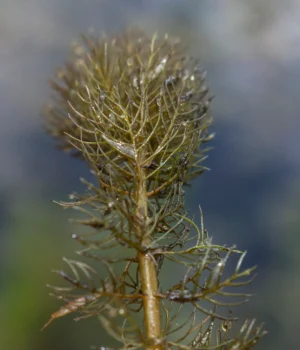
Whorl-Leaf Watermilfoil: A Native Aquatic Beauty for Your Water Garden
If you’re looking to add some underwater magic to your pond or water garden, whorl-leaf watermilfoil (Myriophyllum verticillatum) might just be the perfect native aquatic plant you’ve been searching for. This delicate perennial creates stunning underwater landscapes with its feathery, finely divided foliage that dances gracefully beneath the surface.
What Makes Whorl-Leaf Watermilfoil Special?
This charming native forb gets its name from the distinctive way its leaves arrange themselves in whorls around the stem, creating an almost Christmas tree-like appearance underwater. The finely dissected foliage provides incredible texture and movement in aquatic environments, while small emergent flower spikes occasionally peek above the water’s surface during blooming season.
Where Does It Call Home?
Whorl-leaf watermilfoil boasts an impressive native range across North America. You’ll find this adaptable plant naturally occurring from Alaska down through Canada and across most of the lower 48 states, from coast to coast. It’s truly a continent-spanning native that has adapted to diverse aquatic environments.
- Species observed
- No observations
Important Conservation Note
Before you rush to add this beauty to your water garden, there’s something important to know: whorl-leaf watermilfoil is considered endangered in New Jersey, where it holds special conservation status. If you live in New Jersey or plan to source plants, make sure you’re working with reputable native plant nurseries that practice responsible propagation methods.
Perfect for Water-Loving Gardeners
This obligate wetland plant lives up to its classification – it almost always occurs in wetlands and aquatic environments across all regions of North America. That means it’s perfectly suited for:
- Natural pond ecosystems
- Water gardens and aquatic features
- Bog gardens with standing water
- Wetland restoration projects
- Wildlife ponds and natural swimming pools
Growing Conditions and Care
The good news for water gardeners is that whorl-leaf watermilfoil is relatively low-maintenance once established. Here’s what this aquatic native needs to thrive:
- Light: Full sun to partial shade
- Water depth: Submerged 1-3 feet underwater
- Hardiness: USDA zones 3-8
- Water type: Still to slow-moving fresh water
- Soil: Muddy or sandy bottom substrate
Planting and Establishment Tips
When planting whorl-leaf watermilfoil, consider using weighted containers or planting directly into the pond substrate. The plant will naturally spread through underground runners and fragmentation, so give it space to establish. Once settled in, it requires minimal intervention – nature pretty much takes care of the rest!
Benefits Beyond Beauty
Beyond its ornamental appeal, whorl-leaf watermilfoil provides important ecological benefits. The emergent flower spikes attract small pollinators and aquatic insects, while the submerged foliage creates habitat and shelter for aquatic wildlife. It also helps oxygenate water and can contribute to overall pond health.
Is Whorl-Leaf Watermilfoil Right for Your Garden?
If you have a water feature and want to support native biodiversity while creating stunning underwater landscapes, whorl-leaf watermilfoil could be an excellent choice. Just remember to source it responsibly, especially if you’re in areas where it has conservation concerns. This graceful native offers a wonderful way to connect your garden with the natural aquatic ecosystems that have supported this species for thousands of years.
With its wide native range, adaptability, and low-maintenance nature, whorl-leaf watermilfoil represents the best of native aquatic gardening – beautiful, functional, and perfectly at home in North American waters.