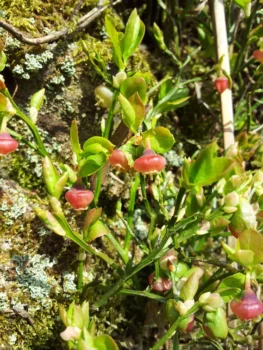
Whortleberry: A Delicious Native Gem for Your Garden
If you’re looking for a native plant that delivers both beauty and bounty, let me introduce you to whortleberry (Vaccinium myrtillus). This charming little shrub might not be as famous as its blueberry cousins, but it’s got plenty of personality and some serious garden credentials that make it worth considering for your landscape.
What Exactly Is Whortleberry?
Whortleberry is a perennial shrub that typically stays nice and manageable, usually growing less than 4 to 5 meters tall. Think of it as nature’s way of giving you all the benefits of a larger shrub without taking over your entire yard. This multi-stemmed woody plant has several stems that arise from or near the ground, creating a lovely bushy appearance that works beautifully in various garden settings.
You might also see this plant listed under its botanical name Vaccinium myrtillus, or encounter some of its synonyms like Vaccinium oreophilum in certain regions.
Where Does Whortleberry Call Home?
Here’s something pretty cool about whortleberry – it’s a true North American native that spans both Canada and the lower 48 states. You’ll find this adaptable shrub thriving across an impressive range of states and provinces, including Alberta, British Columbia, Arizona, Colorado, Idaho, Montana, Nevada, New Mexico, Oregon, Utah, Washington, and Wyoming. It’s also been introduced to Greenland, where it’s established itself quite happily.
- Species observed
- No observations
Why Your Garden (And Local Wildlife) Will Love Whortleberry
Let’s talk about what makes whortleberry such a garden superstar. First up is the aesthetic appeal – this plant is basically a year-round show-off in the best possible way. In spring, you’ll get delicate pink bell-shaped flowers that are absolutely charming. Summer brings the main event: blue-black berries that are not only beautiful but completely edible (and delicious, I might add). Then fall rolls around, and the foliage puts on a spectacular display of vibrant reds and oranges that’ll make your neighbors stop and stare.
But the benefits don’t stop at good looks. Those spring flowers are pollinator magnets, attracting bees and other small pollinators to your garden. It’s like hosting a little pollinator party every spring, which is fantastic news for your other flowering plants too.
Where Whortleberry Fits in Your Landscape
Whortleberry is incredibly versatile when it comes to garden roles. It’s perfect as an understory shrub in woodland gardens, where it can create that natural, forest-like feel. If you’re into edible landscaping, this plant is a no-brainer – you get ornamental value plus homegrown berries for your morning pancakes.
This shrub works beautifully in:
- Naturalistic landscapes and native plant gardens
- Woodland or shade gardens
- Edible landscapes
- Mixed shrub borders
- Areas where you want low-maintenance, native beauty
Growing Conditions and Care
Here’s where whortleberry really shines – it’s surprisingly easy to please once you understand its preferences. This shrub thrives in USDA hardiness zones 2-6, making it perfect for cooler climates and mountainous regions.
When it comes to soil, whortleberry has a bit of a preference for acidic conditions with good drainage. Think woodland floor conditions – organic-rich, well-draining soil that doesn’t get waterlogged. The plant can handle everything from partial shade to full sun, though it tends to be happiest with some protection from the hottest afternoon rays.
One thing to note about soil moisture: while whortleberry doesn’t like wet feet, it does appreciate consistent moisture. Based on its wetland status across different regions, it’s clearly adapted to upland conditions and rarely occurs in true wetland areas, so avoid planting it in soggy spots.
Planting and Care Tips
Ready to add whortleberry to your garden? Here’s how to set it up for success:
- Timing: Plant in spring after the last frost date
- Soil prep: Amend heavy clay soils with organic matter to improve drainage
- Mulching: Apply a 2-3 inch layer of organic mulch to retain moisture and suppress weeds
- Watering: Keep soil consistently moist but not waterlogged, especially during the first growing season
- Pruning: Minimal pruning needed – just remove dead or damaged branches in late winter
- Fertilizing: Generally unnecessary if planted in good soil; if needed, use an acid-loving plant fertilizer sparingly
The Bottom Line
Whortleberry is one of those wonderful native plants that gives you the best of all worlds – it’s beautiful, beneficial to wildlife, produces edible fruit, and doesn’t demand constant attention. Whether you’re creating a native plant garden, adding to an existing woodland area, or just want a reliable, attractive shrub that supports local ecosystems, whortleberry deserves serious consideration.
Plus, there’s something pretty special about harvesting berries from your own backyard – berries that have been growing wild in North American landscapes for centuries. It’s like adding a little piece of natural history to your garden, one delicious berry at a time.