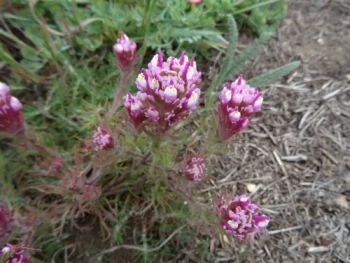
Wideleaf Indian Paintbrush: A Rare California Native Worth Protecting
Meet the wideleaf Indian paintbrush (Castilleja exserta latifolia), a charming annual wildflower that’s as special as it is elusive. This California native might not be the showiest plant in your garden, but it carries the kind of botanical street cred that makes native plant enthusiasts do a little happy dance.
What Makes This Plant Special?
The wideleaf Indian paintbrush belongs to the fascinating world of forbs – those herbaceous plants that lack woody stems but pack plenty of personality. As an annual, this little beauty completes its entire life cycle in just one growing season, making every bloom a fleeting treasure worth celebrating.
This plant is a true California original, native to the Golden State and found nowhere else in its natural form. Its botanical name gives us a clue about its distinguishing feature – latifolia means broad-leaved, setting it apart from its narrower-leafed relatives.
Where Does It Call Home?
The wideleaf Indian paintbrush is endemic to California, meaning it’s evolved specifically for the unique conditions of this diverse state. While many plants have spread far and wide, this species has remained loyal to its California roots.
- Species observed
- No observations
A Word About Rarity
Here’s where things get interesting – and important. This plant carries a conservation status that suggests it’s not exactly common. With a designation that indicates some level of conservation concern, the wideleaf Indian paintbrush is the kind of plant that makes botanists lean in a little closer.
If you’re lucky enough to encounter seeds or plants of this species, make sure they’re responsibly sourced. Never collect from wild populations, and always purchase from reputable native plant nurseries that can verify their stock’s origins.
Why Consider Growing It?
Choosing to grow wideleaf Indian paintbrush is like becoming a steward of California’s botanical heritage. Here’s why this annual deserves a spot in the right garden:
- Conservation value: Growing rare natives helps preserve genetic diversity
- True California character: Adds authentic local flora to your landscape
- Educational opportunity: A conversation starter about native plant conservation
- Ecological connections: Supports the web of life that evolved alongside it
The Growing Reality Check
Let’s be honest – detailed growing information for this specific variety is about as rare as the plant itself. What we do know is that it’s an annual forb, meaning it grows from seed each year and doesn’t develop woody stems.
As a California native, it’s likely adapted to the state’s Mediterranean climate patterns, probably preferring well-draining soils and the natural wet-winter, dry-summer rhythm that defines much of California’s weather.
Garden Design Considerations
The wideleaf Indian paintbrush isn’t going to be your garden’s main attraction – think of it more as a supporting character in the native plant story. Annual wildflowers like this work beautifully in:
- Native plant gardens focused on local flora
- Wildflower meadows and naturalized areas
- Conservation gardens dedicated to rare species
- Educational landscapes that tell California’s botanical story
The Bottom Line
Growing wideleaf Indian paintbrush isn’t for every gardener or every garden. It’s for those who appreciate the subtle beauty of California’s native flora and want to play a small part in conservation. If you can source it responsibly and provide appropriate growing conditions, you’ll be nurturing a piece of California’s irreplaceable natural heritage.
Just remember – with great botanical rarity comes great responsibility. Treat this plant like the natural treasure it is, and always prioritize conservation over cultivation.