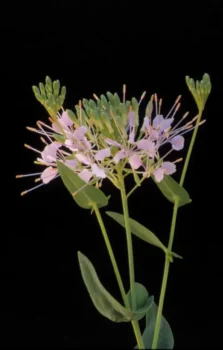
Wideleaf Pinelandcress: A Rare Florida Native Worth Protecting
If you’re passionate about native plants and conservation, you may have stumbled across the intriguing wideleaf pinelandcress (Warea amplexifolia). This little-known Florida native is more than just another wildflower—it’s a botanical treasure that’s hanging on by a thread in the wild.
What Makes Wideleaf Pinelandcress Special?
Wideleaf pinelandcress is an annual forb that belongs to the mustard family. Don’t let the wideleaf part of its name fool you—this delicate plant produces clusters of small, white cruciferous flowers that dance above slender stems. As a member of the diverse world of forbs (non-woody flowering plants), it adds subtle charm rather than bold statement-making to any garden.
You might also see this plant referenced by its botanical synonym, Warea auriculata, though Warea amplexifolia is the currently accepted name.
Where Does It Call Home?
This plant is a true Florida native, found exclusively in the Sunshine State. It’s perfectly adapted to Florida’s unique scrubland and sandhill ecosystems, where it has evolved alongside other specialized native plants.
- Species observed
- No observations
The Conservation Reality Check
Here’s the important part: Wideleaf pinelandcress is critically endangered. With a Global Conservation Status of S1 and listed as Endangered in the United States, this plant is in serious trouble. There are typically only 5 or fewer occurrences in the wild, with fewer than 1,000 individual plants remaining.
If you’re considering growing this plant, please only source it from reputable native plant nurseries that propagate from legally obtained, ethically sourced material—never collect from wild populations.
Growing Wideleaf Pinelandcress
Ideal Growing Conditions
- Sunlight: Full sun
- Soil: Well-drained, sandy soils that mimic Florida’s natural scrublands
- Water: Drought-tolerant once established; minimal watering needed
- USDA Zones: 9-11 (Florida’s climate range)
Planting and Care Tips
- Direct seed in fall for best germination results
- Provide excellent drainage—soggy soil will kill this scrubland specialist
- Once established, avoid overwatering
- Allow natural reseeding for future generations
Garden Role and Design Ideas
Wideleaf pinelandcress works best in:
- Native plant conservation gardens
- Florida scrub restoration projects
- Educational botanical displays
- Specialized native wildflower gardens
This isn’t a plant for formal landscapes or traditional flower beds. Instead, think of it as a conservation piece—a living reminder of Florida’s unique botanical heritage.
Benefits to Wildlife
Like many native mustard family members, wideleaf pinelandcress likely attracts small native bees and other beneficial insects during its flowering period. Every native plant, no matter how small or seemingly insignificant, plays a role in supporting local ecosystems.
Should You Grow It?
Growing wideleaf pinelandcress is less about creating a showstopping garden display and more about participating in conservation. If you:
- Live in Florida (zones 9-11)
- Have appropriate sandy, well-drained conditions
- Are committed to conservation gardening
- Can source plants ethically
Then yes, consider adding this rare beauty to your native plant collection. Just remember—with great rarity comes great responsibility. Every plant counts when there are so few left in the wild.
By growing wideleaf pinelandcress responsibly, you’re not just adding an interesting plant to your garden—you’re becoming a conservation hero, one tiny white flower at a time.