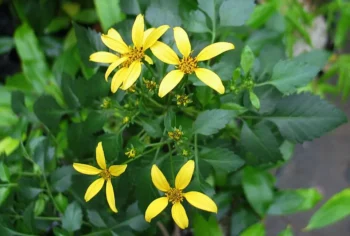
Wiebke’s Beggarticks: A Rare Hawaiian Native Worth Protecting
Meet Wiebke’s beggarticks (Bidens wiebkei), a charming little Hawaiian native that’s as rare as it is beautiful. This petite perennial shrub might not be the showiest plant in your garden, but it carries the weight of conservation importance on its delicate shoulders. If you’re lucky enough to live in Hawaii and passionate about preserving native flora, this could be a meaningful addition to your landscape—with some important caveats.
What Makes This Plant Special?
Wiebke’s beggarticks is a low-growing perennial shrub that stays compact and manageable, typically reaching just 1.5 feet tall and never exceeding 3 feet at maturity. Like other members of the Bidens family, it produces small, cheerful yellow daisy-like flowers that add a splash of sunshine to any garden. Its scientific name, Bidens wiebkei, honors its discoverer, and you might occasionally see it listed under its synonym Bidens nematocera.
Where It Calls Home
This little beauty is endemic to Hawaii, meaning it exists naturally nowhere else on Earth. Within the Hawaiian Islands, Wiebke’s beggarticks has found its niche in specific volcanic slope environments and dry forest areas.
- Species observed
- No observations
The Conservation Reality Check
Here’s the important part: Wiebke’s beggarticks is critically endangered. With a Global Conservation Status of S1 (Critically Imperiled) and listed as Endangered in the United States, this plant is hanging on by a thread in the wild. There are typically only 5 or fewer known occurrences, with fewer than 1,000 individuals remaining in nature.
If you’re considering adding this plant to your garden, please ensure you source it responsibly through legitimate conservation nurseries or propagation programs. Never collect from wild populations—every plant in nature is precious for the species’ survival.
Growing Wiebke’s Beggarticks
Climate Requirements
This tropical native thrives in USDA hardiness zones 10-11, making it suitable only for Hawaii and the most subtropical parts of Florida and Southern California. It’s adapted to Hawaii’s unique climate conditions and may struggle elsewhere.
Ideal Growing Conditions
- Well-draining soil is essential—these plants hate wet feet
- Full sun to partial shade exposure
- Once established, quite drought-tolerant
- Protection from strong, drying winds
- Minimal fertilizer needs
Garden Design Role
In the right setting, Wiebke’s beggarticks works beautifully in:
- Native Hawaiian plant gardens
- Drought-tolerant landscapes
- Conservation demonstration gardens
- Rock gardens with excellent drainage
- Educational landscapes highlighting endangered species
Caring for Your Plant
Once established, Wiebke’s beggarticks is relatively low-maintenance. Water sparingly—allow the soil to dry between waterings. Avoid overwatering, which can lead to root rot. Light pruning after flowering can help maintain its compact shape, but this shrub naturally stays small and tidy.
The Bigger Picture
Growing Wiebke’s beggarticks isn’t just about adding another plant to your collection—it’s about participating in conservation. Every responsibly grown plant represents hope for this species’ future. While we don’t know all the details about its specific pollinator relationships or wildlife benefits, protecting any endangered Hawaiian endemic contributes to the islands’ unique biodiversity.
If you can’t source Wiebke’s beggarticks responsibly, consider other native Hawaiian Bidens species or drought-tolerant natives that can provide similar garden benefits while supporting local ecosystems.
Should You Grow It?
Only if you’re in the right location (Hawaii or similar tropical climate) and can source it through legitimate conservation channels. This isn’t a plant for casual gardening—it’s for dedicated conservationists who understand the responsibility that comes with growing endangered species. But if you meet those criteria, you’ll be helping preserve a piece of Hawaii’s natural heritage while enjoying a unique and meaningful garden addition.