Wiggins’ Cholla: A Spiky Southwestern Beauty for Water-Wise Gardens
If you’re looking to add some authentic desert charm to your landscape while keeping water usage to a minimum, meet Wiggins’ cholla (Cylindropuntia echinocarpa). This native southwestern cactus might look intimidating with its formidable spines, but it’s actually a garden-friendly perennial that brings year-round structure and seasonal blooms to water-wise landscapes.
What Makes Wiggins’ Cholla Special
Wiggins’ cholla is a true native of the American Southwest, naturally growing across Arizona, California, Nevada, and Utah. This multi-stemmed shrubby cactus typically stays under 13-16 feet tall, making it much more manageable than some of its towering cactus cousins. You might also see it listed under its former scientific names, Opuntia echinocarpa or Opuntia wigginsii, but don’t let the name changes fool you – it’s the same wonderfully adapted desert dweller.
- Species observed
- No observations
Garden Appeal and Landscape Role
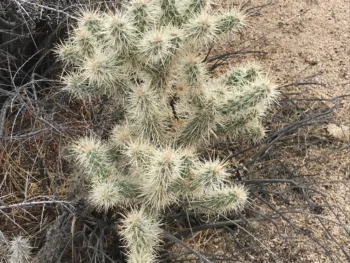
This spiky character brings serious architectural interest to gardens with its segmented, cylindrical pads and dense branching pattern. In spring, it rewards patient gardeners with cheerful yellow flowers that create a stunning contrast against the silvery-green stems. The blooms aren’t just pretty – they’re pollinator magnets that attract native bees and other desert-adapted insects.
Wiggins’ cholla works beautifully as:
- A focal point in xeriscaped gardens
- Natural barriers or informal hedging
- Accent plants in rock gardens
- Background plantings in Mediterranean-style landscapes
- Companions to other desert natives like agaves and desert marigolds
Perfect Growing Conditions
Like most desert natives, Wiggins’ cholla is refreshingly low-maintenance once established. It thrives in USDA hardiness zones 8b through 11, handling both scorching summers and mild winter frosts with ease.
Here’s what this cactus craves:
- Full sun exposure (6+ hours daily)
- Well-draining, sandy or rocky soil
- Minimal water once established
- Protection from standing water or overly rich soils
Planting and Care Tips
The key to success with Wiggins’ cholla is remembering that less is definitely more when it comes to care. Plant in spring when temperatures are warming but not yet extreme. Choose a spot with excellent drainage – if your soil tends to stay wet, consider building a raised bed or mound with added sand and gravel.
Water sparingly during the first growing season to help establish roots, then back off to occasional deep watering during extended dry periods. Overwatering is the fastest way to kill this drought-adapted beauty. Young plants may need protection from hard frosts, but mature specimens are quite cold-hardy for a cactus.
Is Wiggins’ Cholla Right for Your Garden?
This native cactus is perfect for gardeners who want to create sustainable, water-wise landscapes that support local wildlife. It’s especially valuable in regions where water conservation is a priority or where you’re working with poor, rocky soils that challenge other plants.
Keep in mind that those spines are serious business – plan placement carefully away from high-traffic areas and consider your maintenance comfort level. But if you can work around its defensive nature, Wiggins’ cholla offers years of low-maintenance beauty and authentic southwestern character that’s hard to beat.
By choosing native plants like Wiggins’ cholla, you’re not just creating a beautiful garden – you’re supporting the plants and wildlife that have called your region home for thousands of years. Now that’s what we call a win-win!