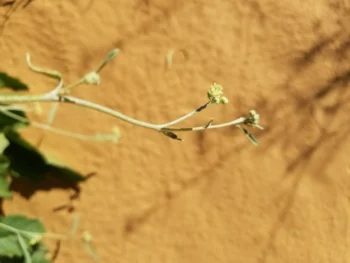
Wiggins’ Croton: A Rare Desert Gem Worth Protecting
If you’re passionate about native desert gardening and conservation, Wiggins’ croton might just capture your heart. This unassuming shrub, known botanically as Croton wigginsii, represents something special in the world of native plants – a rare treasure that deserves our attention and protection.
What Makes Wiggins’ Croton Special?
Wiggins’ croton is a perennial shrub that typically grows as a multi-stemmed woody plant, usually staying under 13-16 feet in height. Like other shrubs, it develops several stems from near the ground, creating a naturally bushy appearance that fits perfectly into desert landscapes.
This plant is a true native of the southwestern United States, calling both Arizona and California home. However, here’s what makes this plant particularly noteworthy – it’s not just any native plant. Wiggins’ croton has a Global Conservation Status of S2S3, meaning it’s considered imperiled to vulnerable in its natural habitat.
- Species observed
- No observations
Should You Grow Wiggins’ Croton?
The short answer is: possibly, but with important caveats. Because of its rarity status, this isn’t a plant you should casually add to your shopping cart. However, if you’re a dedicated native plant enthusiast who sources plants responsibly, Wiggins’ croton could be a meaningful addition to your conservation-minded garden.
The Conservation Connection
Before considering this plant for your garden, it’s crucial to understand its conservation status. With its S2S3 rating, Wiggins’ croton faces challenges in the wild. This makes responsible sourcing absolutely essential. Here’s what that means:
- Only purchase from reputable nurseries that propagate plants rather than collect from wild populations
- Never collect seeds or cuttings from wild plants
- Consider this plant as part of a broader conservation effort, not just garden decoration
- Support nurseries and organizations working to preserve rare native species
Garden Role and Landscape Design
When responsibly sourced, Wiggins’ croton can play a valuable role in desert and xeriscape gardens. As a native shrub adapted to arid conditions, it fits naturally into:
- Native plant gardens focused on regional flora
- Drought-tolerant landscapes
- Wildlife habitat restoration projects
- Educational gardens highlighting rare species
Growing Conditions and Care
Like most desert natives, Wiggins’ croton has adapted to challenging conditions, which actually makes it relatively low-maintenance once established. Here’s what this rare beauty needs:
Climate and Hardiness: Based on its native range in Arizona and California’s desert regions, this plant likely thrives in USDA hardiness zones 9-11, where it can handle both heat and minimal winter cold.
Soil and Water: Expect this desert native to prefer well-draining soil and minimal water once established. Overwatering is likely more harmful than drought for this adapted species.
Sun Exposure: Full sun exposure will likely suit this plant best, mimicking its natural habitat conditions.
Planting and Care Tips
If you’ve sourced your Wiggins’ croton responsibly, here are some care guidelines:
- Plant in fall or early spring when temperatures are moderate
- Ensure excellent drainage to prevent root rot
- Water regularly the first year to establish roots, then reduce significantly
- Avoid fertilizers, which can harm desert-adapted plants
- Mulch lightly with gravel or decomposed granite rather than organic mulch
Wildlife and Pollinator Benefits
While specific data on Wiggins’ croton’s wildlife benefits isn’t widely documented, croton species generally support various pollinators and can provide habitat for desert wildlife. By growing rare native plants like this one, you’re contributing to biodiversity conservation right in your backyard.
The Bottom Line
Wiggins’ croton isn’t for every gardener, and that’s exactly as it should be. This rare native deserves thoughtful consideration and responsible cultivation. If you’re committed to conservation, have experience with native desert plants, and can source this species ethically, it could become a meaningful part of your conservation garden story.
Remember, sometimes the greatest gardening act is choosing not to grow something unless we can do so responsibly. But when we can, growing rare natives like Wiggins’ croton becomes both a gardening adventure and a conservation contribution.