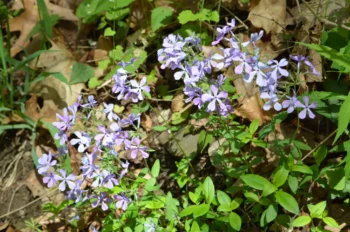
Wild Blue Phlox: A Fragrant Native Gem for Your Shade Garden
If you’re looking to add a splash of springtime color to your shady spots while supporting local wildlife, wild blue phlox (Phlox divaricata divaricata) might just be the perfect native perennial for your garden. This charming woodland wildflower brings both beauty and ecological benefits to any landscape—though there are a few important things to know before you plant.
What Is Wild Blue Phlox?
Wild blue phlox is a native North American perennial that belongs to the forb family—essentially, it’s a non-woody herbaceous plant that comes back year after year. Don’t let the simple classification fool you, though. This little beauty packs a big punch in the garden with its clusters of fragrant, blue to lavender flowers that bloom in spring.
As a true native, wild blue phlox has been gracing the woodlands of eastern North America for centuries, naturally occurring from southeastern Canada down through much of the eastern United States.
Where Does Wild Blue Phlox Grow?
This adaptable native has a pretty impressive range, naturally growing across numerous states and provinces including Alabama, Arkansas, Connecticut, Delaware, Georgia, Illinois, Indiana, Kentucky, Maryland, Michigan, New Jersey, New Mexico, New York, North Carolina, Ohio, Pennsylvania, South Carolina, Tennessee, Vermont, Virginia, West Virginia, Ontario, and Quebec.
- Species observed
- No observations
However, it’s worth noting that wild blue phlox is hardy in USDA zones 3-8, making it suitable for most temperate regions.
A Word of Caution: Rarity Status
Here’s something crucial to know: wild blue phlox is listed as endangered in New Jersey, with a rarity status of S1. This means if you’re planning to add this beauty to your garden, it’s absolutely essential to source your plants responsibly. Always purchase from reputable native plant nurseries that propagate their own stock rather than collecting from wild populations. Never collect wild blue phlox from natural areas—it’s not only potentially illegal but also harmful to already vulnerable populations.
Why Grow Wild Blue Phlox?
There are several compelling reasons to include this native charmer in your landscape:
- Pollinator magnet: Wild blue phlox attracts butterflies, moths, and long-tongued bees, making it a valuable addition to pollinator-friendly gardens
- Fragrant flowers: The sweet scent of its spring blooms adds another sensory dimension to your garden
- Native ecosystem support: As a native plant, it provides food and habitat for local wildlife
- Woodland beauty: Perfect for naturalizing shaded areas and creating authentic woodland gardens
- Low maintenance: Once established, it’s relatively easy to care for
Perfect Garden Settings
Wild blue phlox shines in woodland gardens, shade gardens, and native plant landscapes. It works beautifully as a groundcover in naturalized areas and pairs wonderfully with other native woodland plants like wild ginger, bloodroot, and trilliums. If you’re creating a pollinator garden in a partially shaded area, this plant is an excellent choice.
Growing Conditions
Think woodland floor when considering where to plant wild blue phlox. This native thrives in:
- Light: Partial shade to full shade
- Soil: Moist, well-draining soil rich in organic matter
- Moisture: Consistent moisture, but not waterlogged conditions
- pH: Adaptable to various soil pH levels
Planting and Care Tips
Getting wild blue phlox established in your garden is relatively straightforward:
- Timing: Plant in spring or fall when temperatures are moderate
- Spacing: Allow adequate space for the plant to spread naturally
- Mulching: Apply a layer of organic mulch to retain moisture and suppress weeds
- Watering: Maintain consistent moisture, especially during dry periods
- Fertilizing: Generally unnecessary; compost or leaf mold worked into the soil annually is sufficient
The Bottom Line
Wild blue phlox is a wonderful native perennial that deserves a place in shade gardens across its natural range. Its fragrant spring flowers, pollinator benefits, and low-maintenance nature make it an excellent choice for gardeners wanting to create beautiful, ecologically valuable landscapes. Just remember to source your plants responsibly—this is especially important given its endangered status in some areas. When you choose native plants like wild blue phlox from reputable sources, you’re not just creating a beautiful garden; you’re actively participating in conservation efforts and supporting local ecosystems.
Ready to add some native charm to your shaded spaces? Wild blue phlox might just be the perfect place to start your native plant journey.