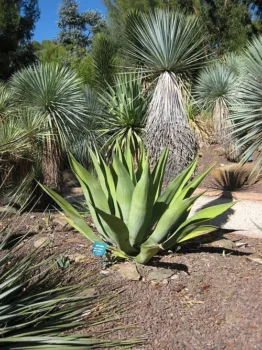
Wild Century Plant: Florida’s Rare Native Agave
Meet the wild century plant (Agave neglecta), one of Florida’s most intriguing and elusive native succulents. While most gardeners are familiar with the more common agaves found in southwestern landscapes, this particular species tells a uniquely Floridian story that’s worth understanding, even if you never encounter one in person.
A True Florida Native
The wild century plant holds the distinction of being native to the lower 48 states, specifically calling Florida home. This makes it quite special in the world of agaves, as most species in this genus are associated with Mexico and the southwestern United States. Finding a native agave in Florida is like discovering a botanical treasure that connects the Sunshine State to the broader succulent family tree.
- Species observed
- No observations
What Makes This Plant Special
Botanically speaking, Agave neglecta is classified as a forb herb—essentially a non-woody perennial plant that stores its energy in underground parts during challenging seasons. Unlike the massive, architectural agaves you might see in desert gardens, this species represents a more modest approach to the century plant lifestyle, adapted specifically to Florida’s unique climate and growing conditions.
The Rarity Factor: Why You Should Care
Here’s where things get serious: the wild century plant has a Global Conservation Status of S2S3, which indicates it’s considered rare and potentially vulnerable. This means that while it’s not on the brink of extinction, it’s not exactly common either. For gardeners, this presents both an opportunity and a responsibility.
If you’re lucky enough to encounter Agave neglecta or have the opportunity to grow it, you’re participating in the conservation of Florida’s native plant heritage. However, this also means that any cultivation should be done with plants from responsible, ethical sources—never collected from the wild.
Garden Considerations
Given its rarity and limited availability, the wild century plant isn’t likely to become a staple in most Florida gardens anytime soon. However, understanding its place in the native plant community helps us appreciate the diversity of Florida’s natural landscapes.
For gardeners interested in supporting native Florida plants, consider these more readily available alternatives:
- Native yuccas and other drought-tolerant perennials
- Florida-friendly succulents that provide similar architectural interest
- Other rare native plants available through conservation-focused nurseries
The Bigger Picture
While you may never grow a wild century plant in your garden, knowing about Agave neglecta serves as a reminder of Florida’s incredible botanical diversity. Every native species, no matter how rare or obscure, plays a role in the state’s ecological web.
As gardeners, we can support conservation efforts by choosing native plants when possible, supporting nurseries that propagate rather than collect wild plants, and staying curious about the lesser-known species that share our landscapes.
What You Can Do
Even if Agave neglecta remains out of reach for most gardeners, you can still make a difference:
- Learn about and plant other Florida native species
- Support botanical gardens and conservation organizations
- Spread awareness about rare native plants
- Choose ethically sourced plants for your garden
The wild century plant may be rare, but it represents something important: the incredible diversity of life that calls Florida home. By understanding and respecting these uncommon species, we become better stewards of the natural world around us.