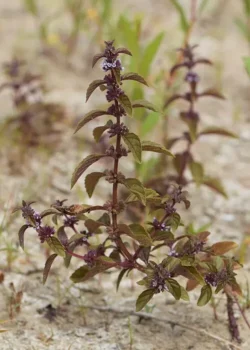
Wild Mint: The Native Aromatic That Thrives Where Others Struggle
If you’ve ever walked along a stream bank or through a damp meadow and caught a whiff of something delightfully minty, you may have encountered wild mint (Mentha arvensis). This unassuming native perennial is North America’s own contribution to the mint family, and it’s got some serious garden street cred that might just surprise you.
A True North American Native
Unlike many of its Mediterranean mint cousins that have naturalized here, wild mint is the real deal – a bona fide North American native. This hardy perennial calls home to an impressively vast territory, spanning from the chilly reaches of Alaska and northern Canada all the way down through the lower 48 states. You’ll find wild populations thriving across an extensive range including Alberta, British Columbia, Alaska, Manitoba, and virtually every U.S. state from coast to coast.
- Species observed
- No observations
One important note for Arkansas gardeners: wild mint has a rarity status of S1 in your state, meaning it’s critically imperiled there. If you’re in Arkansas and want to grow this beauty, make sure you source your plants responsibly from reputable native plant nurseries rather than collecting from wild populations.
What Makes Wild Mint Special
Wild mint grows as what botanists call a forb – basically a non-woody herbaceous plant that comes back year after year. Here’s what you can expect:
- Height: Reaches about 2.6 feet tall at maturity
- Growth habit: Single-stem, erect form with moderate growth rate
- Flowers: Small, white, conspicuous blooms that appear in spring
- Foliage: Green leaves with that classic minty fragrance and medium texture
- Lifespan: Relatively short-lived but often self-seeds in ideal conditions
Where Wild Mint Shines in Your Garden
This isn’t your typical drought-tolerant native plant. Wild mint has earned the Facultative Wetland status across all regions, meaning it usually occurs in wetlands but can tolerate some drier conditions. Think of it as nature’s solution for those challenging damp spots in your landscape where other plants might struggle.
Perfect spots for wild mint include:
- Rain gardens and bioswales
- Pond or stream margins
- Low-lying areas that stay consistently moist
- Naturalized meadow plantings
- Herb gardens with supplemental irrigation
Growing Conditions That Make Wild Mint Happy
Wild mint isn’t particularly fussy, but it does have some specific preferences:
- Soil: Adapts to medium and fine-textured soils; prefers rich, organic matter
- Moisture: Medium to high water needs – this plant loves consistent moisture
- Sun exposure: Intermediate shade tolerance, so partial sun to partial shade works well
- pH: Slightly acidic to neutral (5.0-7.0)
- Climate: Hardy in USDA zones 3-9, tolerates temperatures down to -33°F
Planting and Care Made Simple
Good news for gardeners who prefer low-maintenance plants! Wild mint is routinely available from native plant sources and relatively easy to establish:
- Propagation: Best grown from bare root divisions rather than seed
- Planting density: Space plants considering 3,450 to 19,360 plants per acre (adjust for garden scale)
- Establishment: Requires at least 100 frost-free days and consistent moisture during establishment
- Maintenance: Once established, requires minimal care beyond ensuring adequate moisture
Wildlife and Pollinator Benefits
Those small white spring flowers aren’t just pretty – they’re pollinator magnets. Wild mint provides nectar and pollen for various native bees, butterflies, and other beneficial insects during its blooming period. The plant also contributes to the broader ecosystem by providing habitat and food sources for wildlife in naturalized settings.
Why Choose Wild Mint?
In a world where many gardeners struggle with wet, challenging areas, wild mint offers an elegant native solution. It brings authentic North American character to your landscape while supporting local pollinators and wildlife. Plus, you get the bonus of aromatic foliage that releases its pleasant scent whenever you brush against it.
This isn’t a plant for xeriscaped desert gardens or formal perennial borders, but if you have a spot that stays moist and you want something genuinely native that adds subtle beauty and ecological value, wild mint deserves serious consideration. Just remember to source responsibly, especially if you’re gardening in Arkansas where wild populations need protection.
Sometimes the best garden plants are the ones that have been quietly thriving in our native landscapes all along – wild mint is definitely one of those hidden gems worth discovering.