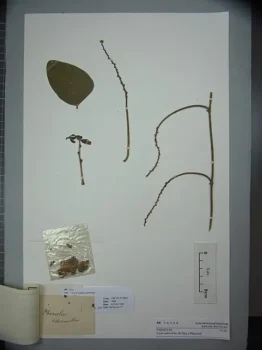
Wild Pea: A Tropical Climbing Legume for Warm Climate Gardens
Looking for a hardy, low-maintenance vine that can add a splash of color to your tropical or subtropical garden? Meet the wild pea (Vigna adenantha), a charming climbing legume that’s been quietly making its mark across warm regions of the United States. This perennial herb might not be the showiest plant in your garden, but it certainly has some tricks up its sleeve that make it worth considering.
What is Wild Pea?
Wild pea, scientifically known as Vigna adenantha, is a perennial forb that belongs to the legume family. Don’t let the technical term forb throw you off – it simply means this is a flowering plant that doesn’t develop woody stems like trees or shrubs. Think of it as a soft-stemmed climbing vine that comes back year after year, ready to sprawl and climb wherever you’ll let it.
You might also see this plant referenced by its scientific synonym, Phaseolus adenanthus, in older gardening literature.
Where Does Wild Pea Grow Naturally?
Here’s where things get interesting with wild pea’s native status. This plant is truly native to Hawaii and Puerto Rico, where it has evolved as part of the local ecosystem. However, it has also established itself in Florida and other parts of the lower 48 states, where it reproduces on its own without human intervention. In these mainland locations, it’s considered a non-native species that has naturalized.
Currently, you can find wild pea growing in Florida, Hawaii, and Puerto Rico.
- Species observed
- No observations
What Does Wild Pea Look Like?
Wild pea produces small, delicate flowers in shades of purple to pink that are characteristic of the pea family – think tiny versions of garden pea blossoms. The plant features the classic trifoliate leaves (three leaflets per leaf) that are common among legumes, giving it a lush, green appearance as it climbs or trails.
As a climbing vine, wild pea can serve as an attractive ground cover or can be trained up trellises and fences, making it quite versatile in the landscape.
Growing Conditions and Care
If you’re gardening in USDA hardiness zones 9-11, wild pea might be a great addition to your plant palette. This tropical and subtropical plant thrives in warm climates and won’t tolerate frost.
Based on its wetland status, wild pea is quite adaptable when it comes to moisture levels:
- In the Atlantic and Gulf Coastal Plain regions, it’s classified as Facultative Upland, meaning it usually prefers non-wetland conditions but can handle some moisture
- In the Caribbean, it has the same preference for upland conditions
- In Hawaii, it’s simply Facultative, meaning it’s equally comfortable in wet or dry conditions
This adaptability makes wild pea a relatively low-maintenance choice once established. It can handle periods of drought and doesn’t require constant babying.
Benefits for Wildlife and Pollinators
As a member of the legume family, wild pea has a special superpower: it can fix nitrogen in the soil through a symbiotic relationship with bacteria in its roots. This means it actually improves soil fertility over time – a nice bonus for any gardener!
The small, colorful flowers attract bees and butterflies, making it a pollinator-friendly choice for wildlife gardens.
Garden Design and Landscape Use
Wild pea works well in several garden settings:
- Naturalized areas where you want a low-maintenance ground cover
- Erosion control on slopes (thanks to its spreading habit)
- Tropical or subtropical themed gardens
- Wildlife-friendly landscapes focused on supporting pollinators
Its climbing nature makes it useful for covering unsightly areas or adding vertical interest when grown on supports.
Should You Plant Wild Pea?
The decision to plant wild pea depends largely on where you garden and what you’re trying to achieve.
Consider planting wild pea if:
- You live in zones 9-11 and want a low-maintenance vine
- You’re looking for erosion control or ground cover
- You want to support pollinators with minimal effort
- You’re gardening in Hawaii or Puerto Rico, where it’s native
You might want alternatives if:
- You live in areas where it’s not native and prefer to stick with indigenous plants
- You’re in zones 8 or below, where it won’t survive winter
For gardeners in the continental United States who prefer native alternatives, consider looking into native legumes like American groundnut (Apios americana) in cooler climates or native wild beans in warmer regions.
Final Thoughts
Wild pea may not be the flashiest plant in the garden center, but it’s a reliable performer that asks for little and gives back soil improvement and pollinator support. If you’re in the right climate zone and looking for an easy-care vine that can handle variable moisture conditions, this humble legume might just earn a spot in your landscape. Just remember to check what’s native in your area first – your local ecosystem will thank you for it!