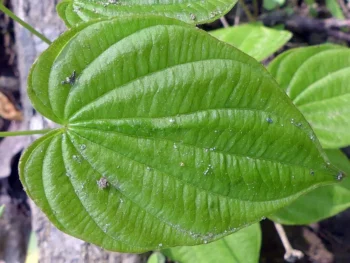
Wild Yam: A Quietly Charming Native Vine for Your Shade Garden
Looking for a low-maintenance native plant that thrives in those tricky shady spots? Meet wild yam (Dioscorea villosa), a humble yet hardworking perennial vine that’s been quietly beautifying North American landscapes for centuries. While it may not win any flashy flower contests, this unassuming climber brings subtle charm and ecological value to gardens across the continent.
What Exactly Is Wild Yam?
Wild yam is a native perennial vine that belongs to the diverse world of forb herbs – plants without significant woody tissue that die back to the ground each winter and return the following spring. Don’t let the yam name fool you into thinking about Thanksgiving dinner; while this plant does produce underground tubers, it’s not related to the sweet potatoes we typically call yams at the grocery store.
This climbing vine is also known by its scientific name Dioscorea villosa, and you might occasionally encounter it listed under older botanical synonyms like Dioscorea hirticaulis.
Where Wild Yam Calls Home
One of wild yam’s greatest strengths is its impressive native range. This adaptable plant naturally occurs throughout much of eastern North America, thriving in:
- Most of the eastern United States, from Maine down to Florida
- Western states including Texas, Oklahoma, Kansas, and Nebraska
- Parts of southeastern Canada, including Ontario
- Even Puerto Rico
Specifically, you’ll find wild populations in Alabama, Arkansas, Connecticut, Delaware, District of Columbia, Florida, Georgia, Illinois, Indiana, Iowa, Kansas, Kentucky, Louisiana, Maryland, Massachusetts, Michigan, Minnesota, Mississippi, Missouri, Nebraska, New Jersey, New York, North Carolina, Ohio, Oklahoma, Pennsylvania, Rhode Island, South Carolina, Tennessee, Texas, Vermont, Virginia, West Virginia, and Wisconsin.
- Species observed
- No observations
The Subtle Beauty of Wild Yam
Wild yam won’t stop traffic with bold blooms, but it offers a quiet, understated elegance that’s perfect for naturalistic gardens. The vine produces heart-shaped leaves that create lovely green tapestries as they climb and trail. In summer, tiny greenish-white flowers appear – they’re small and inconspicuous, but they serve an important purpose by attracting small pollinators like flies and diminutive bees.
What wild yam lacks in showy flowers, it makes up for in reliability and adaptability. This vine knows how to make itself at home in a variety of settings without becoming pushy or aggressive.
Perfect Spots for Wild Yam in Your Garden
Wild yam shines in several garden settings:
- Woodland gardens: Let it climb up trees or scramble along the ground as natural groundcover
- Shade gardens: Perfect for those challenging spots where sun-loving plants struggle
- Naturalized areas: Excellent for creating that wild look in relaxed landscape designs
- Rain gardens: Thanks to its facultative wetland status, it handles both moist and drier conditions
Growing Wild Yam Successfully
Here’s the best news about wild yam: it’s remarkably easy to grow! This native vine is quite forgiving and adapts to various conditions.
Ideal Growing Conditions:
- Light: Partial to full shade (though it can tolerate some morning sun)
- Soil: Adaptable to various soil types, from moist to moderately dry
- Hardiness: Thrives in USDA zones 3-9
- Moisture: Versatile – handles both wetland and non-wetland conditions
Planting and Care Tips:
- Plant in spring after the last frost
- Give it something to climb on or let it spread as groundcover
- Water regularly the first season to help establish roots
- Once established, minimal care needed – this plant is quite self-sufficient
- Be aware that it may spread via underground tubers, which is generally a good thing in naturalized settings
Wildlife and Pollinator Benefits
While wild yam’s flowers may be small, they play an important role in supporting local ecosystems. The tiny blooms attract various small pollinators, contributing to the biodiversity of your garden. As a native plant, it has co-evolved with local wildlife and fits seamlessly into the natural food web.
Is Wild Yam Right for Your Garden?
Wild yam is an excellent choice if you:
- Want a low-maintenance native plant
- Need something for shady areas
- Prefer naturalistic garden styles
- Want to support local pollinators
- Need a plant that handles varying moisture conditions
However, you might want to consider alternatives if you’re looking for showy flowers or need a plant for full-sun locations.
The Bottom Line
Wild yam may not be the flashiest plant in the native garden catalog, but it’s certainly one of the most reliable and ecologically valuable. This quiet achiever offers gardeners a chance to work with nature rather than against it, creating beautiful, sustainable landscapes that support local wildlife while requiring minimal maintenance. In a world of high-maintenance garden divas, sometimes it’s refreshing to welcome a plant that simply does its job well and asks for very little in return.