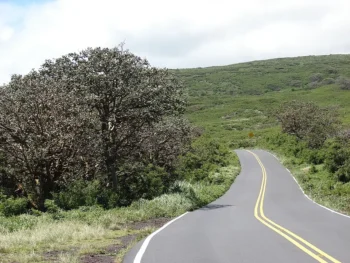
Wili Wili: Hawaii’s Spectacular but Endangered Coral Tree
If you’re lucky enough to garden in Hawaii, you might want to consider adding one of the islands’ most stunning native trees to your landscape: the wili wili (Erythrina sandwicensis). This remarkable tree puts on quite a show with its brilliant orange-red flowers, but there’s more to this beauty than meets the eye – it’s also one of Hawaii’s most endangered native trees.
What Makes Wili Wili Special?
The wili wili is a true Hawaiian native, found naturally on all the main Hawaiian islands from sea level up to about 2,000 feet in elevation. This perennial tree typically grows as a single-stemmed specimen that can reach an impressive 30 feet in height at maturity, developing a distinctive umbrella-shaped canopy that provides wonderful shade.
- Species observed
- No observations
What really sets this tree apart is its spectacular blooming display. During summer, before the leaves emerge, the entire tree becomes covered in clusters of vibrant orange coral-like flowers that are absolutely breathtaking. The flowers appear on bare branches, creating an almost otherworldly appearance that’s sure to stop visitors in their tracks.
A Tree in Trouble
Here’s where things get serious: the wili wili has a Global Conservation Status of S2, meaning it’s imperiled due to extreme rarity. With typically only 6 to 20 occurrences remaining and few individuals (1,000 to 3,000) left in the wild, this tree desperately needs our help to survive.
If you’re considering planting wili wili, please ensure you source your plant material responsibly from reputable native plant nurseries or conservation organizations. Never collect seeds or plants from wild populations, as this could further threaten the species’ survival.
Perfect for the Right Garden
Wili wili works beautifully in several garden settings:
- Native Hawaiian landscapes and restoration projects
- Xerophytic (dry) gardens that celebrate drought-tolerant plants
- Specimen plantings where you want a real showstopper
- Cultural gardens that honor Hawaiian heritage
This tree serves multiple roles in landscape design – it’s an excellent shade tree, a stunning specimen plant, and an important piece of Hawaiian natural heritage. Plus, the flowers attract native Hawaiian birds and insects, supporting local wildlife.
Growing Conditions: What Wili Wili Needs
The good news is that once established, wili wili is relatively easy to care for. This tree has adapted to Hawaii’s diverse conditions and is quite forgiving:
- Climate: USDA zones 10-12 only (needs year-round warmth with temperatures above 50°F)
- Sunlight: Full sun preferred, though it tolerates some shade
- Soil: Adapts to various soil types – coarse, medium, or fine textured soils all work
- Water: Highly drought tolerant once established; moderate water needs
- pH: Prefers slightly acidic to neutral soil (pH 5.5-7.0)
One of wili wili’s superpowers is nitrogen fixation – like other legumes, it actually improves soil fertility by adding nitrogen, making it a great companion for other plants.
Planting and Care Tips
Here’s how to give your wili wili the best start:
- Planting: Available as container plants or can be grown from seed (though seed propagation requires patience)
- Spacing: Allow plenty of room – plant 200-400 trees per acre if doing restoration work
- Establishment: Water regularly during the first year, then reduce as the tree establishes
- Growth rate: Moderate grower, so be patient – it takes about 20 years to reach full height
- Pruning: Minimal pruning needed; remove dead or damaged branches as necessary
The tree naturally grows in an attractive single-stem form and has good resprout ability if damaged, making it fairly low-maintenance once established.
A Tree Worth Saving
Growing wili wili isn’t just about adding beauty to your garden – it’s about participating in conservation. Every responsibly grown wili wili tree represents hope for this endangered species and helps preserve an important part of Hawaiian natural heritage.
While this tree is only suitable for tropical climates (sorry, mainland gardeners!), if you live in Hawaii or another suitable tropical zone, consider making space for this remarkable native. Just remember: always source your plants responsibly, and you’ll be rewarded with one of the most spectacular flowering trees you can grow.
With its stunning orange blooms, nitrogen-fixing abilities, and important ecological role, wili wili proves that conservation and beautiful gardening can go hand in hand. It’s a tree that truly deserves a second chance.