Wilkins’ Bellflower: A Rare California Treasure Worth Protecting
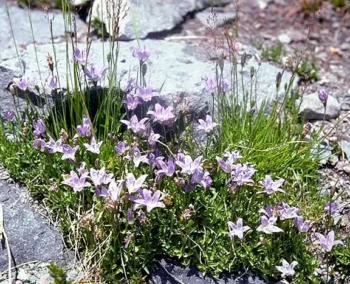
Meet Wilkins’ bellflower (Campanula wilkinsiana), one of California’s most elusive native wildflowers. This isn’t your typical garden center find – it’s a botanical gem that’s as rare as it is beautiful, making it a plant that deserves our attention and respect.
What Makes Wilkins’ Bellflower Special?
Wilkins’ bellflower is a native California perennial that belongs to the beloved bellflower family. As a forb – essentially a non-woody flowering plant – it produces the characteristic bell-shaped blooms that make campanulas so charming. But here’s where things get serious: this little beauty is classified as imperiled, with only 6 to 20 known occurrences in the wild.
Where Does It Call Home?
This rare native is endemic to California, meaning it exists nowhere else on Earth. Its extremely limited distribution makes every single population precious for maintaining California’s unique botanical heritage.
- Species observed
- No observations
A Plant That Loves Wet Feet
Wilkins’ bellflower has an interesting relationship with water. It’s classified as a facultative wetland plant, which means it usually hangs out in wetland areas but can occasionally be found in drier spots. This adaptability likely helped it survive in California’s diverse landscapes, though clearly not enough to keep it common.
Should You Grow Wilkins’ Bellflower?
Here’s where we need to have an honest conversation. While this native California perennial would theoretically make a wonderful addition to a native plant garden, its imperiled status means we need to approach it very differently than other plants.
Important conservation note: Given its S2 conservation status (imperiled with very few occurrences), Wilkins’ bellflower should only be grown if you can obtain seeds or plants from legitimate conservation sources that don’t impact wild populations. Never collect from the wild.
If You’re Lucky Enough to Grow It
Should you find responsibly sourced material, here’s what this rare beauty might need:
- Wetland or consistently moist conditions (based on its facultative wetland status)
- California’s climate zones where it naturally occurs
- A spot in a conservation-focused native plant garden
- Careful attention and protection from disturbance
Better Alternatives for Most Gardeners
For most California native plant enthusiasts, consider these more readily available bellflower relatives:
- California harebell (Campanula prenanthoides) – another California native that’s less rare
- Other native Campanula species that aren’t imperiled
- Native wildflowers that provide similar ecological benefits without conservation concerns
The Bigger Picture
Wilkins’ bellflower reminds us that not every beautiful native plant is meant for our gardens. Sometimes the best way to love a plant is to protect its wild habitat and support conservation efforts. If you’re passionate about rare California natives, consider volunteering with local botanical societies or supporting habitat preservation instead.
By understanding and respecting the rarity of plants like Wilkins’ bellflower, we become better stewards of California’s incredible botanical diversity – ensuring that future generations might have the chance to encounter this special little bellflower in its native haunts.