Williams’ Buckwheat: A Rare Nevada Native Worth Protecting
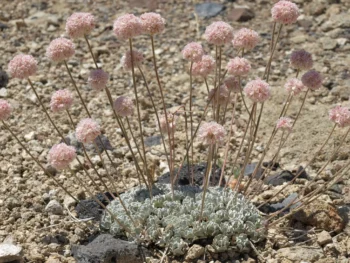
Meet Williams’ buckwheat (Eriogonum ovalifolium var. williamsiae), one of Nevada’s most endangered botanical treasures. This tiny perennial herb might not win any size contests, but what it lacks in stature, it makes up for in rarity and ecological importance.
What Makes Williams’ Buckwheat Special
Williams’ buckwheat is a perennial forb – essentially a non-woody plant that comes back year after year. As part of the buckwheat family, it produces clusters of small, cream-colored to white flowers that create a delicate, understated beauty in the landscape. Don’t expect towering blooms; this is a plant that charms with its compact, ground-hugging form.
Where It Calls Home
This buckwheat variety is found exclusively in Nevada, making it a true state endemic. It’s adapted to some pretty extreme conditions, particularly areas with geothermal activity where most other plants would struggle to survive.
- Species observed
- No observations
A Word of Caution: Rarity Status
Important: Williams’ buckwheat is listed as endangered with a Global Conservation Status of S5T1. This means it’s extremely rare and faces significant threats in the wild. If you’re interested in growing this species, it’s crucial to source plants only from reputable native plant nurseries that use responsibly collected seeds or propagated material – never collect from wild populations.
Garden Role and Design Potential
While its endangered status means it’s not your typical garden center find, Williams’ buckwheat could play a valuable role in:
- Conservation gardens focused on preserving rare Nevada natives
- Rock gardens that mimic its natural habitat
- Educational landscapes that highlight endangered species
- Xeriscaping projects emphasizing water-wise natives
Growing Conditions and Care
This hardy little survivor has adapted to some tough conditions, which gives us clues about how to grow it successfully:
- Sunlight: Full sun exposure
- Soil: Extremely well-draining soil is essential – think rocky, sandy, or gravelly conditions
- Water: Drought tolerant once established; overwatering is likely more dangerous than underwatering
- Climate: Adapted to Nevada’s harsh mountain conditions
Pollinator and Wildlife Value
Like other members of the Eriogonum family, Williams’ buckwheat likely provides nectar for small native bees and other pollinators. Its seeds may also serve as food for small birds and other wildlife, making it a valuable component of native ecosystems.
Should You Grow Williams’ Buckwheat?
The honest answer? Only if you’re deeply committed to conservation and can source plants responsibly. This isn’t a plant for casual gardeners, but rather for those passionate about preserving rare species and willing to provide the specialized care it requires.
If you’re drawn to the idea of growing rare Nevada natives but want something more readily available, consider other Eriogonum species that aren’t endangered. Many buckwheat varieties offer similar aesthetic appeal and ecological benefits without the conservation concerns.
The Bottom Line
Williams’ buckwheat represents something precious – a unique piece of Nevada’s natural heritage that deserves our protection. While it may not be the flashiest addition to your garden, growing this rare species (when sourced responsibly) connects you to conservation efforts and helps preserve genetic diversity for future generations. Just remember: with great rarity comes great responsibility.