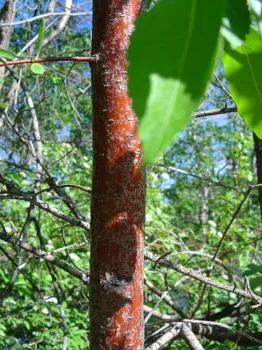
Willow Hawthorn: A Lesser-Known Native Shrub Worth Discovering
Meet the willow hawthorn (Crataegus saligna), a fascinating native shrub that’s quietly making its home in the American West. While it may not be the showiest plant in your local nursery, this unassuming member of the rose family has some unique qualities that make it worth a closer look for adventurous native plant gardeners.
What Exactly is Willow Hawthorn?
Willow hawthorn is a perennial shrub that typically grows as a multi-stemmed woody plant, usually staying under 13-16 feet tall. Like most shrubs, it sends up several stems from or near the ground, creating a naturally bushy appearance. You might occasionally see it listed under its botanical synonym, Crataegus douglasii var. duchesnensis, but don’t let the scientific names intimidate you!
Where Does it Call Home?
This native beauty has carved out its niche in just two western states: Colorado and Utah. It’s perfectly adapted to life in these regions and represents a true regional specialty for gardeners in these areas.
- Species observed
- No observations
The Water Story
Here’s where willow hawthorn gets interesting from a gardener’s perspective. This adaptable shrub has different moisture preferences depending on where you’re located:
- In the Arid West, it’s considered Facultative – meaning it’s equally happy in wet or dry conditions
- In Western Mountains and coastal areas, it leans more toward Facultative Wetland status – preferring moist spots but tolerating drier conditions
This flexibility makes it potentially valuable for gardeners dealing with variable moisture conditions or those looking to create transitional zones in their landscapes.
Should You Plant Willow Hawthorn?
Here’s the honest truth: willow hawthorn is something of a gardening mystery. While it’s undoubtedly a legitimate native species, detailed cultivation information is surprisingly scarce. This could mean a few things – it might be naturally rare, challenging to cultivate, or simply overlooked by the horticultural world.
The conservation status information suggests some level of concern about its populations, which means if you do encounter this plant, it should be appreciated and potentially protected rather than harvested from the wild.
For the Adventurous Native Plant Gardener
If you’re in Colorado or Utah and passionate about growing truly local natives, willow hawthorn could be an intriguing addition to your garden – but with some important caveats:
- Only source plants or seeds from reputable native plant nurseries
- Never collect from wild populations
- Consider it an experimental addition rather than a landscape staple
- Be prepared to provide both wet and dry microclimates to see what it prefers
The Bottom Line
Willow hawthorn represents one of those fascinating native plants that reminds us how much we still have to learn about our local flora. While it might not be the easiest or most documented choice for your garden, it offers adventurous native plant enthusiasts a chance to work with a truly regional specialty.
If you’re just starting your native plant journey, you might want to begin with better-documented regional natives and work your way up to mysteries like willow hawthorn. But for experienced native plant gardeners looking for something genuinely unique to their region, this little-known shrub could be exactly the kind of horticultural adventure you’ve been seeking.
Remember: the best gardens often include a mix of reliable performers and intriguing experiments. Willow hawthorn definitely falls into the latter category!