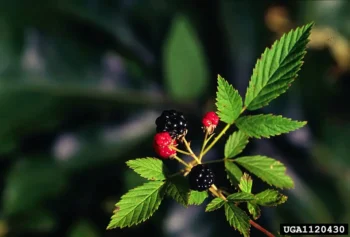
Windswept Prairie Dewberry: A Rare Native Gem Worth Protecting
Meet the windswept prairie dewberry (Rubus hancinianus), a little-known native treasure that’s as elusive as it is charming. This diminutive member of the raspberry and blackberry family has captured the attention of botanists and conservationists alike, not just for its unique prairie habitat, but for its increasingly rare presence in the American landscape.
What Makes This Dewberry Special?
The windswept prairie dewberry is a perennial shrub that stays refreshingly compact, typically growing less than 1.5 feet tall and never exceeding 3 feet at maturity. Unlike its more robust cousins in the Rubus family, this species has adapted to life on the windswept prairies, developing a low-growing habit that helps it survive in its challenging native environment.
Where You’ll Find It (If You’re Lucky)
This native species calls the lower 48 states home, but don’t expect to stumble across it on your next nature walk. The windswept prairie dewberry has an extremely limited range, found only in Kansas and Missouri. Even within these states, encounters with this plant are rare and precious.
- Species observed
- No observations
A Conservation Concern
Here’s where things get serious: the windswept prairie dewberry carries a Global Conservation Status of S2, meaning it’s imperiled. With typically only 6 to 20 occurrences and few remaining individuals (estimated at 1,000 to 3,000), this species is especially vulnerable to extinction. Its extreme rarity stems from habitat loss and the factors that make prairie ecosystems so challenging to maintain.
Should You Grow Windswept Prairie Dewberry?
If you’re fortunate enough to garden within its native range of Kansas or Missouri, and you’re passionate about conservation gardening, this could be a meaningful addition to your landscape. However, there’s a big but here – any planting should only be done with responsibly sourced material from reputable native plant societies or conservation organizations.
Here’s what makes it appealing for the right gardener:
- Authentic native species perfect for prairie restoration projects
- Compact size makes it suitable for smaller native gardens
- Contributes to biodiversity conservation efforts
- Adapted to challenging prairie conditions
Growing Conditions and Care
While specific cultivation information for this rare species is limited, we can draw from its prairie origins and general Rubus family characteristics. The windswept prairie dewberry likely thrives in:
- Full sun to partial shade
- Well-draining soils typical of prairie environments
- USDA hardiness zones 5-7 (based on its geographic range)
- Areas that experience natural weather extremes, including wind
Planting and Care Tips
Given its rarity, successful cultivation requires extra attention:
- Source plants only from conservation organizations or documented ethical suppliers
- Plant in spring after the last frost
- Provide consistent moisture during establishment, then allow natural rainfall patterns
- Avoid over-fertilizing – prairie plants are adapted to lean soils
- Consider companion planting with other native prairie species
- Document and report your success to local conservation groups
The Bigger Picture
Growing windswept prairie dewberry isn’t just about adding another plant to your garden – it’s about participating in conservation. Every responsibly grown specimen represents hope for this imperiled species. If you can’t source this particular dewberry, consider other native Rubus species in your area or focus on creating habitat for the many other prairie plants that share its ecosystem.
Remember, the best gardens tell the story of their place, and few plants tell a more compelling conservation story than the windswept prairie dewberry. Just make sure you’re writing that story responsibly.