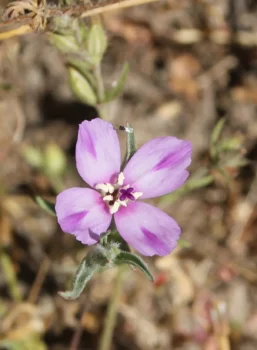
Winecup Clarkia: A Charming Native Annual for Western Gardens
If you’re looking to add a splash of delicate color to your garden while supporting local wildlife, winecup clarkia (Clarkia purpurea viminea) might just be the perfect addition to your landscape. This charming native annual brings effortless beauty to gardens across the Pacific Coast, and it’s easier to grow than you might think!
Meet the Winecup Clarkia
Winecup clarkia is a graceful annual forb that belongs to the evening primrose family. You might also see it listed under its synonyms Clarkia viminea or Godetia viminea in older gardening references. As a native plant to the lower 48 states, this lovely wildflower has been gracing the landscapes of California, Oregon, and Washington long before European settlers arrived.
Where Does Winecup Clarkia Call Home?
This Pacific Coast native thrives in the diverse climates found across California, Oregon, and Washington. From coastal areas to inland valleys, winecup clarkia has adapted to a range of conditions throughout the western United States.
- Species observed
- No observations
Why Gardeners Love Winecup Clarkia
There are plenty of reasons to fall in love with this native beauty:
- Delicate, cup-shaped flowers in shades of pink to purple that add romantic charm to any garden
- Low-maintenance annual that practically grows itself once established
- Excellent pollinator magnet, attracting bees, butterflies, and other beneficial insects
- Perfect for naturalizing in wildflower gardens and meadow plantings
- Drought-tolerant once established, making it ideal for water-wise gardening
- Self-seeds readily, providing continuous blooms year after year
Garden Design Ideas
Winecup clarkia shines in several garden settings. It’s absolutely perfect for cottage gardens where its delicate flowers can mingle with other annuals and perennials. Native plant enthusiasts will love incorporating it into dedicated native gardens, while those creating wildflower meadows will appreciate how it naturalizes and spreads.
The plant works wonderfully as a filler in mixed borders, and its graceful habit makes it an excellent choice for areas where you want a soft, natural look rather than formal structure.
Growing Conditions That Make Winecup Clarkia Happy
One of the best things about winecup clarkia is how adaptable it is. Here’s what this easygoing native prefers:
- Sunlight: Full sun to partial shade (though it blooms best with plenty of morning sun)
- Soil: Well-draining soil is essential – it doesn’t like wet feet!
- Water: Moderate water during germination and early growth, then quite drought-tolerant
- Climate: Thrives in USDA zones 7-10, perfect for Mediterranean and similar climates
Planting and Care Tips
Growing winecup clarkia is refreshingly straightforward:
- When to plant: Direct sow seeds in fall or early spring when soil temperatures are cool
- How to plant: Scatter seeds lightly over prepared soil and barely cover – they need some light to germinate
- Spacing: Don’t worry too much about precise spacing; nature knows what it’s doing!
- Watering: Keep soil lightly moist until germination, then reduce watering as plants establish
- Maintenance: Minimal care needed – just deadhead spent blooms to encourage more flowers
A Word About Conservation
While winecup clarkia isn’t considered endangered, it does have a conservation status that suggests some populations may be of concern. When purchasing seeds, look for reputable native plant nurseries or seed companies that source their material responsibly. This ensures you’re supporting conservation efforts rather than potentially impacting wild populations.
Supporting Local Wildlife
By planting winecup clarkia, you’re not just adding beauty to your garden – you’re creating habitat for local pollinators. Native bees, butterflies, and other beneficial insects rely on plants like this for nectar and pollen. It’s a small but meaningful way to support biodiversity in your own backyard.
The Bottom Line
Winecup clarkia is a delightful choice for western gardeners who want to embrace native plants without sacrificing beauty or dealing with high-maintenance care routines. Its charming flowers, pollinator benefits, and easy-care nature make it a winner for both novice and experienced gardeners. Plus, there’s something deeply satisfying about growing a plant that truly belongs in your local landscape!
Whether you’re creating a dedicated native garden or just want to add some effortless charm to your existing beds, winecup clarkia deserves a spot in your garden planning. Your local pollinators will thank you, and you’ll get to enjoy those lovely cup-shaped blooms throughout the growing season.