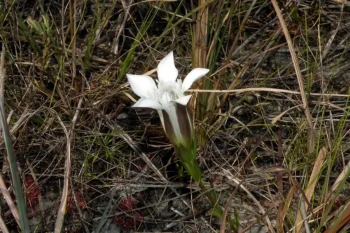
Wiregrass Gentian: A Rare Florida Native Worth Protecting in Your Garden
If you’re looking for a unique native plant that adds late-season charm to your Florida landscape, let me introduce you to the wiregrass gentian (Gentiana pennelliana). This delicate perennial forb might not be the showiest plant in your garden, but it’s a true Florida treasure that deserves a spot in the right setting.
Meet the Wiregrass Gentian
The wiregrass gentian is a slender, graceful native that produces small tubular flowers in shades of blue to purple. As a perennial forb, it lacks the woody stems of shrubs and trees, instead sending up delicate flowering stems from ground level each growing season. You might also see this plant listed under its botanical synonym, Dasystephana tenuifolia.
A True Florida Native
This gentian is exclusively native to Florida, making it a perfect choice for gardeners who want to support local ecosystems. It’s found naturally in the state’s wet pine flatwoods and prairies, where it has adapted to the unique growing conditions of the Sunshine State.
- Species observed
- No observations
Why You Should (Carefully) Consider Growing It
Here’s where things get interesting – and important. The wiregrass gentian has a global conservation status of S3, meaning it’s considered vulnerable. With only 21 to 100 known occurrences and between 3,000 to 10,000 individuals remaining, this little beauty is quite rare in the wild.
What this means for gardeners: If you decide to grow wiregrass gentian, you absolutely must source it responsibly. Never collect plants or seeds from the wild – this could harm already vulnerable populations. Instead, work with reputable native plant nurseries that propagate their stock ethically.
Perfect for Specialized Garden Settings
The wiregrass gentian isn’t your typical garden center perennial, and that’s perfectly fine! This plant shines in specific garden types:
- Native Florida landscapes
- Wetland restoration gardens
- Rain gardens and bioswales
- Bog gardens
- Specialized conservation gardens
With its facultative wetland status, this gentian usually grows in wetland conditions but can tolerate some drier periods. It’s an excellent choice for areas that stay consistently moist or experience seasonal flooding.
Growing Conditions and Care
If you’re ready to take on the challenge of growing this rare native, here’s what you need to know:
Light: Full sun to partial shade
Soil: Consistently moist to wet, acidic conditions
Zones: USDA hardiness zones 8-10 (perfect for Florida)
Moisture: This plant needs consistent moisture – think of its natural wetland habitat
Planting and Care Tips
- Plant in areas that naturally collect and hold water
- Amend soil with organic matter to improve moisture retention
- Fall seeding often works best for establishment
- Be patient – rare natives can take time to establish
- Avoid fertilizers, which can disrupt the delicate balance this plant prefers
Supporting Pollinators and Wildlife
While specific pollinator relationships for wiregrass gentian aren’t well-documented, gentians as a group are known to attract specialized pollinators including native bees and butterflies. By growing this rare native, you’re providing habitat for potentially specialized wildlife relationships that have evolved over thousands of years.
The Bottom Line
The wiregrass gentian isn’t for every gardener or every garden. It requires specific growing conditions, responsible sourcing, and a commitment to conservation. But if you have the right wetland-style garden space and can source plants ethically, you’ll be helping preserve a vulnerable piece of Florida’s natural heritage while adding unique late-season beauty to your landscape.
Remember: with great plants comes great responsibility. If you choose to grow this rare gem, you’re becoming a steward of Florida’s botanical heritage. Make sure you’re up for the challenge – and the privilege – of growing something truly special.