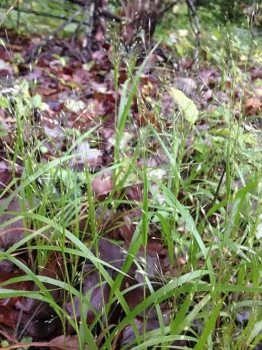
Wiry Panicgrass: A Delicate Native Grass for Naturalized Gardens
If you’re looking to add some fine-textured elegance to your native garden, wiry panicgrass (Panicum flexile) might just be the delicate beauty you’ve been searching for. This charming annual grass brings an airy, almost ethereal quality to naturalized plantings with its thin, wiry stems and open seed heads that dance gracefully in the slightest breeze.
What Is Wiry Panicgrass?
Wiry panicgrass is a native annual grass that belongs to the larger panicgrass family. True to its name, this grass has a distinctly wiry, delicate appearance that sets it apart from its more robust grass cousins. As an annual, it completes its entire life cycle in one growing season, relying on self-seeding to maintain its presence in the landscape.
Where Does It Grow Naturally?
This adaptable native has quite an impressive range across North America. You’ll find wiry panicgrass naturally occurring throughout most of the eastern and central United States, from Alabama and Florida in the south, all the way up to Minnesota and the Dakotas in the north. It also extends into southeastern Canada, including Ontario and Quebec. The grass grows in a variety of habitats, from dry uplands to moderately wet areas, showing remarkable flexibility in its moisture preferences.
- Species observed
- No observations
A Word of Caution: Rarity Concerns
Before you rush out to find seeds, there’s something important to know about wiry panicgrass. In New Jersey, this species is listed as endangered and receives special protection in both the Pinelands and Highlands regions. If you live in New Jersey or other areas where the plant might be rare, please only source seeds or plants from reputable native plant suppliers who practice responsible collection methods. Never collect from wild populations.
Garden Appeal and Design Uses
What makes wiry panicgrass special in the garden is its incredibly fine texture and delicate appearance. The thin stems create an almost cloud-like effect when the plant is in bloom, adding movement and lightness to heavier plantings. It’s perfect for:
- Prairie and meadow gardens where it provides fine textural contrast
- Naturalized areas that benefit from low-maintenance annual grasses
- Native plant gardens focused on regional species
- Areas where you want to add subtle movement and interest without overwhelming other plants
Growing Conditions and Care
One of the best things about wiry panicgrass is its adaptability. This flexible native can handle a range of growing conditions, which explains its wide natural distribution. Here’s what it prefers:
- Light: Full sun to partial shade
- Soil moisture: Quite flexible – from relatively dry conditions to moderately wet soils
- Soil type: Adaptable to various soil types
- Climate zones: Hardy in USDA zones 3-9
The regional wetland status varies significantly across its range. In the Great Plains, Midwest, and Northcentral regions, it typically favors wetter conditions, while in the Eastern Mountains and Piedmont, it usually prefers drier upland sites. This flexibility makes it a great choice for gardeners in various climates and soil conditions.
Planting and Maintenance Tips
As a self-seeding annual, wiry panicgrass is refreshingly low-maintenance once established. Here are some tips for success:
- Sow seeds in spring after the last frost date
- Scatter seeds in prepared soil and lightly rake in – they need light contact with soil but shouldn’t be buried deeply
- Water gently until germination occurs
- Once established, the plants are quite drought-tolerant
- Allow some plants to go to seed if you want them to return next year
- Minimal fertilization needed – too much can make the delicate stems flop over
Wildlife and Ecological Benefits
While wiry panicgrass may not be a major pollinator magnet (it’s wind-pollinated like most grasses), it does provide valuable ecosystem services. The seeds feed various bird species and small wildlife, and the plant contributes to the overall biodiversity of native plant communities. In naturalized settings, it helps create habitat complexity that benefits insects and other small creatures.
Should You Grow Wiry Panicgrass?
If you’re creating a native plant garden, prairie planting, or naturalized area, wiry panicgrass can be a lovely addition. Its delicate texture and adaptable nature make it a good supporting player rather than a star performer. Just remember to source your seeds responsibly, especially if you’re in areas where the plant might be uncommon.
This charming little grass won’t overwhelm your garden, but it will add that subtle touch of wild elegance that makes native plantings so appealing. Sometimes the most beautiful garden additions are the ones that whisper rather than shout, and wiry panicgrass definitely fits that description.