Wiry Snapdragon: A Delicate California Native Worth Growing
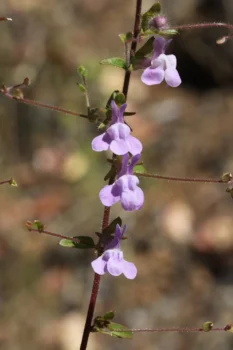
Meet the wiry snapdragon (Sairocarpus vexillocalyculatus), a charming little California native that’s as delicate as its name suggests. This petite annual forb might not be the showiest plant in your garden, but it brings a subtle elegance and important ecological value that makes it worth considering for your native landscape.
What Makes Wiry Snapdragon Special
The wiry snapdragon earns its common name from its slender, almost thread-like stems that give the entire plant a delicate, airy appearance. As an annual forb, it completes its entire life cycle in one growing season, producing small snapdragon-like flowers that are typically purple to pink in color. Despite its diminutive stature, this little wildflower packs a punch when it comes to supporting local ecosystems.
Where It Calls Home
This native beauty is exclusively found in California, where it thrives in the state’s chaparral and woodland communities. As a true California native, it’s perfectly adapted to the Mediterranean climate and seasonal rainfall patterns of the Golden State.
- Species observed
- No observations
A Note About Conservation
Before you rush out to plant wiry snapdragon, there’s something important to know: this species has an uncertain conservation status (classified as S3?). While this doesn’t mean it’s definitely endangered, it does suggest that we should be thoughtful about how we source and grow it. If you’re interested in adding this plant to your garden, make sure to obtain seeds or plants from reputable native plant nurseries that practice responsible collection methods.
Why Grow Wiry Snapdragon?
Here are some compelling reasons to consider this native gem:
- Supports native pollinators: Small native bees and other pollinators love the tiny flowers
- Water-wise: Once established, it’s quite drought-tolerant
- Low maintenance: As an annual, it often self-seeds for next year’s display
- Authentic native landscaping: Perfect for creating genuine California wildflower meadows
- Delicate beauty: Adds texture and subtle color without overwhelming other plants
Growing Conditions and Care
Wiry snapdragon is surprisingly easy to grow once you understand its preferences:
Climate: Best suited for USDA hardiness zones 8-10, matching California’s Mediterranean climate patterns.
Sunlight: Thrives in full sun to partial shade conditions.
Soil: Prefers well-draining soil and won’t tolerate soggy conditions. It’s adapted to California’s naturally lean soils, so don’t worry about amendments.
Water: Drought-tolerant once established, but appreciates some water during germination and early growth.
Planting Tips for Success
The best approach for growing wiry snapdragon is direct seeding in fall, which mimics its natural germination cycle:
- Scatter seeds in fall before the first rains
- Lightly rake into soil surface – don’t bury deeply
- Let winter rains provide natural irrigation
- Expect germination with spring warming
- Allow some plants to go to seed for natural reseeding
Perfect Garden Companions
Wiry snapdragon works beautifully in wildflower meadows alongside other California natives like poppies, lupines, and native grasses. Its delicate texture provides a lovely contrast to broader-leafed natives and helps create the layered, natural look that makes native gardens so appealing.
The Bottom Line
While wiry snapdragon might not be the star of your garden show, it’s definitely a supporting actor worth having. Its combination of ecological value, water-wise nature, and delicate beauty makes it a wonderful addition to California native landscapes. Just remember to source it responsibly and enjoy watching the small pollinators that will undoubtedly find and appreciate this little treasure.