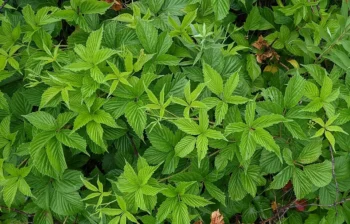
Wisconsin Blackberry: A Hidden Gem for Native Plant Enthusiasts
If you’re looking for a native plant that offers both beauty and function in your garden, meet the Wisconsin blackberry (Rubus wisconsinensis). This charming little shrub might not be the showiest plant in your landscape, but it packs a punch when it comes to supporting local wildlife and providing delicious treats for your family.
What Makes Wisconsin Blackberry Special?
Wisconsin blackberry is a true Midwestern native, naturally found across Illinois, Iowa, Michigan, Minnesota, and Wisconsin. Unlike its taller bramble relatives, this perennial shrub stays refreshingly compact, typically growing under 18 inches tall and rarely exceeding 3 feet at maturity. This makes it perfect for gardeners who want the benefits of native blackberries without the aggressive spreading habits of larger species.
- Species observed
- No observations
A Plant with Rare Status
Before we dive into growing tips, it’s important to note that Wisconsin blackberry has a Global Conservation Status that’s currently undefined, suggesting it may be uncommon in parts of its range. If you decide to add this native beauty to your garden, please source your plants from reputable native plant nurseries that propagate responsibly rather than collecting from wild populations.
Why Your Garden (and Local Wildlife) Will Love It
Wisconsin blackberry is like nature’s version of a multi-tool. In late spring, it produces clusters of small white flowers that are absolute magnets for bees, butterflies, and other pollinators. Come summer, those flowers transform into edible blackberries that are perfect for snacking, jams, or pies – assuming you can beat the birds and small mammals to them!
The wildlife benefits don’t stop at the berries. The dense, low growth habit provides excellent cover for ground-nesting birds and small creatures, while the thorny stems offer protection from predators. It’s essentially a wildlife hotel with room service included.
Perfect Spots for Wisconsin Blackberry
This adaptable native thrives in USDA hardiness zones 3-6, making it well-suited for northern gardeners. Consider planting Wisconsin blackberry in:
- Native plant gardens as a groundcover element
- Woodland edges where it can naturalize
- Wildlife habitat areas
- Edible landscapes for a unique native fruit
- Rain gardens or areas with variable moisture
Growing Wisconsin Blackberry Successfully
The good news? Wisconsin blackberry is refreshingly low-maintenance once established. Here’s how to set it up for success:
Light Requirements: This flexible native handles everything from partial shade to full sun, though it tends to produce more fruit with at least 6 hours of direct sunlight.
Soil Needs: Wisconsin blackberry isn’t picky about soil type and tolerates a range from well-drained to moist conditions. It’s particularly useful in areas where water availability fluctuates seasonally.
Planting Tips: Space plants about 2-3 feet apart if you’re creating a groundcover effect. Plant in spring after the last frost, water regularly the first year to establish roots, then step back and let nature take over.
Maintenance: Minimal pruning is needed, but you can trim back old canes after fruiting to encourage new growth. Like many Rubus species, it may spread slowly by underground runners, which can be managed by simply removing unwanted shoots.
Setting Realistic Expectations
While Wisconsin blackberry won’t give you the dramatic height of other shrubs or the massive berry harvests of commercial varieties, it offers something equally valuable: a perfectly adapted native plant that supports local ecosystems while asking very little in return. The berries, while smaller than grocery store varieties, have an intense, wild flavor that’s absolutely worth the wait.
The Bottom Line
Wisconsin blackberry represents the best of native gardening: a plant that’s beautiful, functional, and ecologically important. If you’re lucky enough to garden in its native range and can source plants responsibly, this compact native deserves a spot in your landscape. Your local pollinators, wildlife, and taste buds will thank you – and you’ll have the satisfaction of growing a piece of authentic Midwestern prairie and woodland heritage.