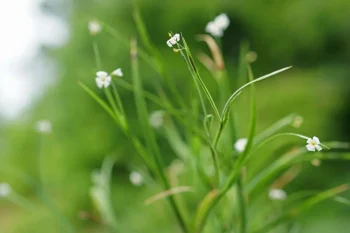
Wishbone Blue-Eyed Grass: A Rare Native Gem Worth Conserving
If you’re passionate about native plants and conservation gardening, you might have stumbled across wishbone blue-eyed grass (Sisyrinchium dichotomum). This little-known perennial is one of those special plants that makes dedicated native gardeners do a double-take – not just because of its delicate beauty, but because of its incredibly rare status in the wild.
What Makes This Plant Special?
Wishbone blue-eyed grass is a charming perennial forb that belongs to the iris family, despite its grass-like appearance. Don’t let the name fool you – it’s not actually a grass at all! This herbaceous plant produces small, star-shaped blue flowers with bright yellow centers that seem to twinkle among its slender, blade-like foliage.
As a native species to the lower 48 states, this plant has deep roots in American ecosystems. However, here’s where things get serious: wishbone blue-eyed grass is currently listed as endangered and carries a Global Conservation Status of S2, meaning it’s imperiled due to extreme rarity.
Where Does It Call Home?
This rare beauty has a very limited native range, naturally occurring only in North Carolina and South Carolina. Its restricted distribution is part of what makes it so vulnerable and precious in the conservation world.
- Species observed
- No observations
Should You Grow Wishbone Blue-Eyed Grass?
The short answer: Only if you’re truly committed to conservation and can source it responsibly.
Because of its endangered status, this isn’t a plant for casual gardeners or those looking for easy-care ground cover. However, if you’re a dedicated conservationist with access to responsibly sourced plants (never wild-collected!), growing wishbone blue-eyed grass can be a meaningful way to help preserve this species.
Garden Role and Design Uses
In the right hands, wishbone blue-eyed grass works beautifully in:
- Specialized native plant collections
- Conservation gardens
- Naturalized areas that mimic its native habitat
- Educational gardens focused on rare southeastern plants
Its delicate flowers and grass-like foliage add texture and seasonal interest, though it’s definitely more about conservation value than showy garden impact.
Growing Conditions and Care
Based on its native habitat in the Carolinas, wishbone blue-eyed grass thrives in USDA hardiness zones 7-9. Here’s what this rare plant needs to flourish:
- Light: Full sun to partial shade
- Soil: Well-draining soils (avoid waterlogged conditions)
- Maintenance: Low maintenance once established
- Water: Moderate moisture, drought tolerant when mature
Planting and Care Tips
If you’ve decided to take on the responsibility of growing this endangered species, here are some key considerations:
- Source plants only from reputable native plant nurseries that propagate rather than wild-collect
- Plant in spring after the last frost
- Provide consistent moisture during establishment
- Allow the plant to self-seed if possible to help increase populations
- Connect with local native plant societies or conservation groups for guidance
Wildlife and Pollinator Benefits
Like many native blue-eyed grass species, wishbone blue-eyed grass likely attracts small native bees and other beneficial insects. Its flowers provide nectar and pollen for specialized pollinators, making it a valuable component in supporting local ecosystems.
The Bottom Line
Wishbone blue-eyed grass isn’t your typical garden recommendation. Its endangered status means it requires serious commitment and responsible sourcing. However, for dedicated conservation gardeners in the southeastern United States, growing this rare native can be a meaningful way to participate in species preservation.
If you’re not ready for the responsibility of growing endangered species, consider other blue-eyed grass relatives that are more common and equally beautiful. But if you’re passionate about conservation and have the right growing conditions, this little plant offers a unique opportunity to make a real difference in preserving America’s native plant heritage.
Remember: never collect plants from the wild, and always verify that any plants you purchase are nursery-propagated from legally obtained stock. Our rare natives depend on responsible gardeners like you!