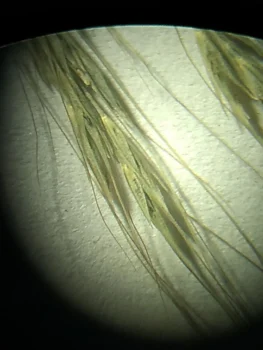
Woodland Muhly: A Graceful Native Grass for Shady Spaces
If you’re looking to add some subtle elegance to your woodland garden or shady landscape, woodland muhly (Muhlenbergia sylvatica) might just be the perfect native grass you’ve been searching for. This delicate perennial brings a soft, naturalized feel to gardens while supporting local ecosystems.
What Is Woodland Muhly?
Woodland muhly is a native North American grass that’s perfectly at home in the dappled light of forest edges and partially shaded gardens. Growing to about 3 feet tall with a graceful, semi-erect form, this perennial grass produces subtle yellow flowers in mid-summer that won’t steal the show but add a quiet charm to your landscape.
This species goes by the botanical name Muhlenbergia sylvatica, and you might occasionally see it listed under older scientific names like Agrostis sylvatica or Muhlenbergia umbrosa in older gardening references.
Where Woodland Muhly Grows Naturally
This adaptable grass has quite an impressive native range, stretching across much of North America. You’ll find it growing wild from Canada down through the eastern United States, west to the Great Plains, and even in scattered locations in the Southwest. It calls home to states from Maine to Florida and from the Atlantic coast all the way to Texas, Arizona, and many places in between.
- Species observed
- No observations
A Special Note About Rarity
While woodland muhly has a broad native range, it’s worth noting that in some areas, like New Jersey’s Highlands region, it’s considered uncommon with a rarity status of S2. If you live in an area where this grass is rare, make sure to source your plants responsibly from reputable native plant nurseries rather than collecting from wild populations.
Why Consider Woodland Muhly for Your Garden?
There are several compelling reasons to give this native grass a spot in your landscape:
- Versatile moisture needs: Woodland muhly is quite adaptable when it comes to water, typically preferring wetland conditions but able to handle drier sites too
- Shade tolerance: Unlike many grasses that demand full sun, this species thrives in intermediate shade conditions
- Native ecosystem support: As a native plant, it naturally fits into local food webs and supports regional wildlife
- Low maintenance: Once established, it requires minimal care
- Naturalized appearance: Perfect for creating that wild look in woodland gardens
Ideal Growing Conditions
Woodland muhly isn’t particularly fussy, but it does have some preferences that will help it thrive:
- Soil: Prefers medium-textured soils with moderate fertility; avoid heavy clay or very sandy soils
- pH: Does best in slightly acidic to neutral conditions (pH 5.9-7.5)
- Moisture: Moderate water needs; often found in areas that stay consistently moist
- Light: Intermediate shade tolerance makes it perfect for woodland edges and partially shaded areas
- Temperature: Hardy to about -28°F, suitable for USDA zones 4-9
- Drainage: While it tolerates wet conditions, avoid areas with prolonged standing water
Perfect Spots in Your Landscape
Woodland muhly shines in several garden situations:
- Woodland gardens: Naturally at home under trees and among woodland wildflowers
- Rain gardens: Its wetland tolerance makes it excellent for managing stormwater
- Native plant gardens: A great supporting player alongside other regional natives
- Naturalized areas: Perfect for creating low-maintenance, natural-looking spaces
- Transitional zones: Excellent for bridging the gap between formal gardens and wild areas
Planting and Care Tips
Getting woodland muhly established requires a bit of patience, but the results are worth it:
- Propagation: Start from seed or small sprigs; this grass doesn’t transplant well as bare root
- Planting density: Space plants to achieve 11,000-18,000 plants per acre for naturalized areas
- Establishment: Be patient! This grass has slow initial growth and low seedling vigor
- Growth rate: Once established, expect moderate growth with active periods in spring, summer, and fall
- Maintenance: Very low maintenance once established; no need for regular fertilizing
- Winter care: Foliage dies back in winter, providing some winter interest before spring cleanup
What to Expect
Woodland muhly won’t be the star of your garden show, and that’s perfectly fine! This grass plays a supporting role beautifully, creating texture and movement while staying relatively inconspicuous. Its yellow summer flowers are subtle, and its green foliage provides a lovely backdrop for showier woodland plants.
The plant has a moderate growth rate and will slowly spread through rhizomes, eventually forming gentle colonies that look completely natural. Don’t expect quick results – this is a slow and steady kind of plant that rewards patience with long-term beauty.
Is Woodland Muhly Right for You?
Consider woodland muhly if you’re looking to create naturalized spaces, support native ecosystems, or need a grass that can handle partial shade and variable moisture conditions. It’s particularly valuable for gardeners interested in authentic regional plantings and low-maintenance landscapes.
However, if you’re looking for immediate impact, bold architectural statements, or plants for sunny, dry locations, you might want to consider other options. This grass is all about subtle, long-term beauty and ecological function rather than dramatic garden presence.
With its widespread native range and adaptable nature, woodland muhly offers gardeners a chance to grow a truly regional grass that feels perfectly at home in North American landscapes. Whether you’re restoring a woodland area or simply want to add some native character to a shady corner, this graceful grass might be exactly what your garden needs.