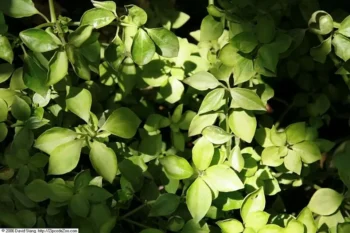
Woodland Peperomia: A Delicate Hawaiian Native Worth Protecting
Meet the woodland peperomia (Peperomia membranacea), a charming little Hawaiian native that’s as intriguing as it is vulnerable. This delicate forb might not be the showiest plant in your garden, but it carries the important distinction of being endemic to the Hawaiian Islands – meaning you won’t find it naturally growing anywhere else on Earth.
What Makes Woodland Peperomia Special?
Woodland peperomia is a small, herbaceous plant that belongs to the pepper family. Unlike its flashier tropical cousins, this native Hawaiian beauty has a subtle charm with its succulent-like leaves and compact growth habit. As an annual forb, it completes its entire life cycle within a single growing season, making every planting season a fresh start.
The plant goes by several scientific synonyms, including Peperomia forbesii and Peperomia koolauana, reflecting its complex taxonomic history as botanists have worked to understand Hawaiian flora.
Where Does It Call Home?
This endemic species is found exclusively in Hawaii, where it has adapted to the unique island ecosystem over thousands of years. Its natural habitat ranges from wetland edges to drier forest floors, earning it a facultative wetland status – meaning it’s equally comfortable in moist and moderately dry conditions.
- Species observed
- No observations
A Plant That Needs Our Help
Here’s where things get serious: woodland peperomia has a Global Conservation Status of S3, meaning it’s considered vulnerable. With typically only 21 to 100 occurrences and between 3,000 to 10,000 individuals remaining, this little plant is fighting for survival. Habitat loss, invasive species, and other environmental pressures have put this native treasure at risk.
Should You Grow Woodland Peperomia?
If you’re lucky enough to live in USDA hardiness zones 10-12 and have access to responsibly sourced seeds or plants, growing woodland peperomia can be a meaningful way to support native Hawaiian flora. However, this comes with important caveats:
- Only obtain plants from reputable native plant nurseries or conservation programs
- Never collect from wild populations
- Consider participating in seed banking or conservation efforts
Creating the Right Environment
Woodland peperomia thrives in conditions that mimic its native Hawaiian habitat:
- Light: Shade to partial shade – think forest understory conditions
- Soil: Well-draining but moisture-retentive soil
- Climate: Warm, humid tropical or subtropical conditions only
- Water: Moderate moisture – not too wet, not too dry
Garden Design Ideas
This delicate native works beautifully as:
- Ground cover in shaded native gardens
- Understory planting beneath larger native Hawaiian plants
- Container specimens for educational or conservation displays
- Part of a dedicated native Hawaiian plant collection
The Bigger Picture
Growing woodland peperomia isn’t just about adding another plant to your collection – it’s about participating in conservation. Every responsibly grown plant represents hope for this vulnerable species. If you’re outside Hawaii or don’t have the right growing conditions, consider supporting Hawaiian native plant conservation organizations instead.
While we don’t know much about its specific wildlife benefits, native Hawaiian plants like woodland peperomia play crucial roles in supporting endemic insects and maintaining ecosystem balance. By choosing to grow native species, you’re helping preserve biodiversity one plant at a time.
Remember: with great botanical beauty comes great responsibility. If you decide to grow this rare native, you’re becoming a steward of Hawaiian heritage – and that’s pretty special indeed.