Wood’s Bunchflower: A Rare Native Gem for Your Shade Garden
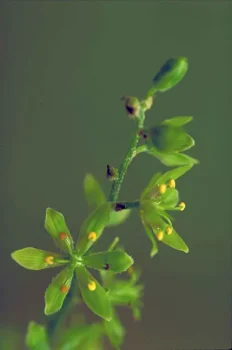
If you’re looking to add some serious drama to your shade garden, Wood’s bunchflower (Veratrum woodii) might just be the showstopper you’ve been searching for. This native perennial brings both architectural beauty and ecological value to woodland landscapes, though its rarity makes it a special treasure worth seeking out responsibly.
What Makes Wood’s Bunchflower Special
Wood’s bunchflower is a striking perennial forb that commands attention with its impressive stature and unique appearance. This native plant produces broad, deeply pleated leaves that create a bold textural statement in the garden, followed by tall spikes of small, greenish-white flowers that can reach several feet in height during summer blooming season.
As a member of the lily family, this plant has an almost prehistoric quality that adds instant sophistication to any shade garden. The dramatic foliage emerges early in the season, providing months of visual interest even before the flowering period begins.
Where Wood’s Bunchflower Calls Home
This southeastern native has a relatively limited natural range, growing wild in Alabama, Arkansas, Florida, Georgia, Illinois, Indiana, Iowa, Kentucky, Missouri, North Carolina, Ohio, Oklahoma, and Tennessee. It typically thrives in woodland environments where it can enjoy the dappled light and rich, organic soils found on forest floors.
- Species observed
- No observations
A Word About Rarity
Here’s something important to know: Wood’s bunchflower is considered rare in parts of its native range. In Alabama, it holds an S1 rarity status (critically imperiled), while in Arkansas it’s classified as S3 (vulnerable). This means that if you’re lucky enough to find this plant available for purchase, make sure you’re buying from reputable sources that propagate their plants responsibly rather than collecting from wild populations.
Growing Wood’s Bunchflower Successfully
The good news is that once you’ve sourced your plant responsibly, Wood’s bunchflower is relatively straightforward to grow if you can provide the right conditions.
Ideal Growing Conditions
- Light: Partial to full shade (mimicking its natural woodland habitat)
- Soil: Moist, well-draining soil rich in organic matter
- Hardiness: Thrives in USDA zones 5-8
- Moisture: Consistent moisture without waterlogged conditions
Planting and Care Tips
- Plant in spring after the last frost
- Amend your soil with compost or leaf mold to mimic forest floor conditions
- Provide consistent moisture, especially during dry spells
- Mulch around plants to retain moisture and suppress weeds
- Once established, this perennial requires minimal maintenance
Perfect Garden Partners and Design Ideas
Wood’s bunchflower shines brightest in woodland and shade garden settings. Its bold foliage pairs beautifully with ferns, wild ginger, and other native woodland wildflowers. Consider using it as a specimen plant where its dramatic form can be appreciated, or incorporate it into naturalized areas where it can spread slowly over time.
This plant works particularly well in:
- Native plant gardens
- Woodland gardens
- Shade perennial borders
- Naturalized landscapes
Wildlife and Pollinator Benefits
While Wood’s bunchflower may not be the busiest pollinator magnet in your garden, its summer flowers do attract various small insects. As a native plant, it fits naturally into local ecosystems and supports the intricate web of relationships between plants, insects, and other wildlife.
Is Wood’s Bunchflower Right for Your Garden?
If you have the right growing conditions—particularly that crucial combination of shade and consistent moisture—and you can source plants responsibly, Wood’s bunchflower makes an exceptional addition to native plant gardens. Its rarity makes it a conversation starter, and its dramatic presence ensures it won’t be overlooked in your landscape.
Just remember: with great rarity comes great responsibility. Always purchase from reputable nurseries that propagate their own plants, and never collect from wild populations. By growing this beautiful native responsibly, you’re not just enhancing your garden—you’re helping preserve a piece of our natural heritage for future generations to enjoy.